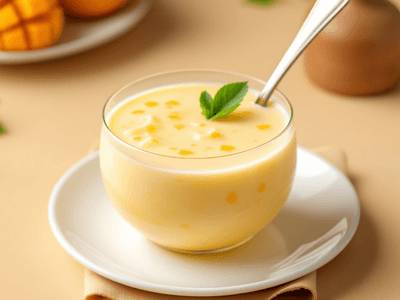
Mango Sago
Hawker • Singapore
About Mango Sago
Mango pomelo sago with coconut milk — Hong Kong-style dessert
How to Make Mango Sago (Traditional & Healthy Version)
Mango Sago is a beloved Singaporean dessert, often found in bustling kopitiam stalls and hawker centres across the island. Its origins lie in the fusion of Southeast Asian flavors, blending tropical mangoes with sago pearls and creamy coconut milk to create a refreshing treat perfect for Singapore's tropical climate. The dessert is renowned for its vibrant color, luscious texture, and sweet-tangy mango aroma, making it a favorite among locals of all ages. In Singapore, Mango Sago is not just a dessert but a celebration of multicultural influences and culinary innovation. It reflects the city’s dynamic food scene, where traditional recipes are given a healthy twist to suit modern lifestyles. Health-conscious diners can enjoy this dessert guilt-free, thanks to the use of fresh mangoes, light coconut milk, and natural sweeteners. Whether enjoyed after a spicy meal or as a cooling afternoon treat, Mango Sago delivers both satisfaction and nutrition. Its simplicity and adaptability make it a staple in Singapore’s dessert repertoire, especially during festive occasions and gatherings.
Ingredients(for 1 bowl (about 200ml), typical portion served at Singapore kopitiam)
- 2 medium Fresh mango (Use local varieties like 'King of Mangga')
- 1/4 cup Sago pearls (Small sago pearls, available at wet markets)
- 1 cup Light coconut milk (Reduced fat, 'santan' in Malay)
- 2 cups Water (Filtered)
- 1-2 tbsp Stevia or honey (Natural sweetener, adjust to taste)
- 2 sprigs Fresh mint leaves (For garnish) - optional
- 1 tsp Chia seeds (Optional superfood boost) - optional
- 2 tbsp Low-fat evaporated milk (Optional for creaminess) - optional
- 4-6 pcs Ice cubes (For serving chilled) - optional
Instructions
- 1
Rinse sago pearls and bring water to a boil in a pot. Add sago pearls and cook for 10-12 minutes, stirring occasionally until translucent.
12 minutes
Do not overcrowd the pot; sago pearls need space to cook evenly.
- 2
Drain cooked sago and rinse under cold water to remove excess starch. Set aside.
3 minutes
Rinsing helps prevent clumping and gives a smoother texture.
- 3
Peel mangoes and dice one into cubes for topping. Blend the other mango with coconut milk and sweetener until smooth.
5 minutes
Use ripe mangoes for maximum flavor and natural sweetness.
- 4
Mix blended mango-coconut mixture with cooked sago pearls in a bowl. Stir gently to combine.
2 minutes
Fold sago in gently to avoid breaking the pearls.
Why This Dish is Healthy
This Mango Sago recipe uses fresh, unprocessed ingredients and natural sweeteners, making it lower in calories and sugar compared to traditional versions. Light coconut milk and optional low-fat evaporated milk keep fat content in check. The dish is hydrating, easy to digest, and packed with nutrients, offering a guilt-free dessert option for health-conscious Singaporeans and those tracking their macros.
Mango Sago is rich in vitamins A and C from fresh mangoes, supporting immune health and skin vitality. Coconut milk provides healthy fats, while sago pearls add complex carbohydrates for sustained energy. Using natural sweeteners reduces refined sugar intake, making this dessert suitable for weight management. Optional chia seeds supply omega-3s and fiber, further boosting nutritional value. The dish is gluten-free and vegetarian, catering to diverse dietary needs.
Pro Tips
- 💡Tip 1: Use local 'King of Mangga' for best flavor and sweetness.
- 💡Tip 2: Cook sago pearls until just translucent to prevent overcooking.
- 💡Tip 3: Blend mango and coconut milk just before serving for a fresher taste.
Storage & Serving
Store Mango Sago covered in the refrigerator for up to 2 days. Stir before serving and add fresh toppings to maintain texture. Do not freeze as sago pearls may harden.
Best served: Breakfast or Lunch
Nutrition Facts
| Nutrient | Per 100g |
|---|---|
| Energy | 180.0 kcal |
| Protein | 2.0 g |
| Carbohydrates | 35.0 g |
| Total Fat | 5.0 g |
| Fiber | 1.0 g |