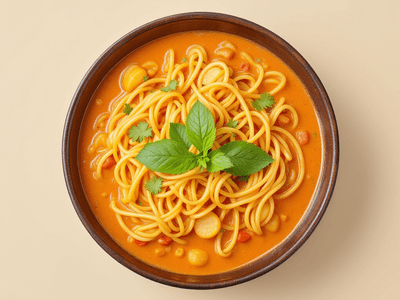
Dry Laksa
Hawker • Singapore
About Dry Laksa
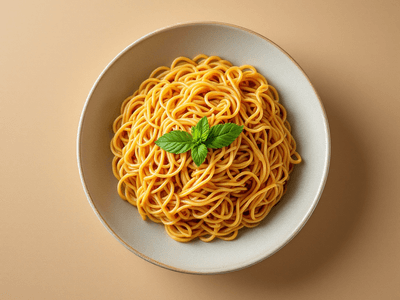
Laksa noodles tossed in spicy coconut gravy without soup
How to Make Dry Laksa (Traditional & Healthy Version)
Dry Laksa is a unique twist on the classic Singaporean laksa, transforming the beloved spicy noodle soup into a stir-fried noodle dish bursting with aromatic laksa flavors. Popular in both modern fusion eateries and traditional kopitiams, Dry Laksa is a testament to Singapore’s innovative hawker culture, where local chefs constantly reimagine heritage dishes. Unlike soup laksa, the dry version delivers intense spices and coconut fragrance directly infused into the noodles, creating a rich yet lighter meal. With its roots firmly planted in Peranakan cuisine, Dry Laksa has become a staple across Singapore, enjoyed for its bold taste and versatility. The dish combines rice noodles, succulent prawns, and a medley of herbs, tossed in a homemade laksa paste without the heavy broth. It's a perfect choice for those seeking authentic Singaporean flavors in a health-conscious, easy-to-prepare format. Whether savored in a bustling hawker centre or a trendy cafe, Dry Laksa encapsulates the multicultural spirit of Singapore’s food scene, blending Malay, Chinese, and Indian influences into a single plate.
Ingredients(for 1 bowl (about 250g cooked noodles with toppings))
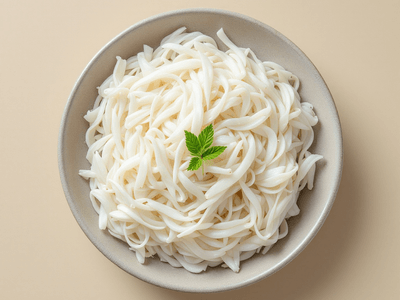
- 180g Rice vermicelli noodles (bee hoon)
- 8 pieces Medium prawns (peeled and deveined)
- 2 tablespoons Laksa paste (homemade or store-bought)
- 100ml Lite coconut milk (for reduced fat)
- 4 pieces Tofu puffs (tau pok, sliced) - optional
- 60g Beansprouts (local: taugeh)
- 1 Egg (hard-boiled, sliced) - optional
- 60g Fish cake (sliced thinly) - optional
- 2 tablespoons Fresh laksa leaves (daun kesum, chopped)
- 1 tablespoon Canola oil (for stir-frying)
- 1/4 teaspoon Salt (to taste)
- 2 Lime wedges (for garnish) - optional
Instructions
- 1
Soak bee hoon (rice vermicelli) in hot water for 5 minutes until softened. Drain and set aside.
5 minutes
Do not over-soak to keep noodles springy.
- 2
Heat canola oil in a wok over medium heat. Add laksa paste and stir-fry until fragrant, about 2 minutes.
2 minutes
Keep stirring to avoid burning the paste.
- 3
Add prawns and tofu puffs to the wok. Stir-fry until prawns turn pink and tofu puffs are heated through, about 3 minutes.
3 minutes
Cook prawns just until opaque for best texture.
- 4
Pour in lite coconut milk and salt. Stir to combine, allowing the mixture to simmer for 2 minutes.
2 minutes
Use lite coconut milk for lower fat but rich flavor.
Why This Dish is Healthy
This Dry Laksa recipe is adapted to be lighter by using lite coconut milk and lean prawns. Stir-frying instead of deep-frying ingredients keeps calorie count in check. The addition of fresh vegetables and herbs enhances nutritional value and flavor without unnecessary fats or sugars. It’s an excellent option for those seeking authentic Singaporean taste without compromising their healthy lifestyle.
Dry Laksa provides a balanced meal, featuring lean protein from prawns and egg, complex carbohydrates from rice noodles, and healthy fats from lite coconut milk. The inclusion of beansprouts and laksa leaves offers dietary fiber, vitamins A and C, and essential minerals. Using canola oil helps reduce saturated fat, while tofu puffs add plant-based protein. The dish is rich in antioxidants from herbs and spices, supporting immune health and digestion.
Pro Tips
- 💡Tip 1: Use fresh laksa leaves for authentic aroma.
- 💡Tip 2: Prep all ingredients before stir-frying for smooth workflow.
- 💡Tip 3: Adjust laksa paste to spice tolerance for family-friendly meals.
Storage & Serving
Store leftovers in an airtight container in the fridge for up to 2 days. Reheat gently in a wok, adding a splash of coconut milk to restore moisture. Avoid freezing as noodles may turn mushy.
Best served: Breakfast or Lunch
Nutrition Facts
| Nutrient | Per 100g |
|---|---|
| Energy | 520.0 kcal |
| Protein | 16.0 g |
| Carbohydrates | 55.0 g |
| Total Fat | 26.0 g |
| Fiber | 3.0 g |