Roasted Seaweed Sheets
Hawker • Singapore
How to Make Roasted Seaweed Sheets (Traditional & Healthy Version)
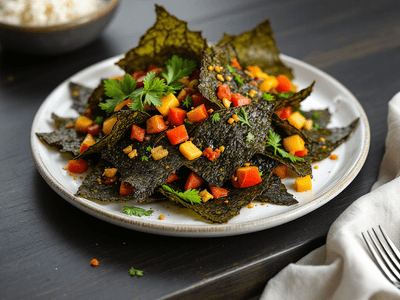
Roasted Seaweed Sheets are a beloved snack and lunch side in Singapore, found everywhere from bustling hawker centres to trendy fusion cafes. While seaweed originates from the ocean, its crisp, savoury form has become a staple in Singaporean lunchboxes, kopitiams, and modern food stalls. Adapted to local tastes, these seaweed sheets are often enhanced with sesame oil, a touch of soy, and sometimes chilli flakes for that quintessential Singaporean kick. The result is a light, crunchy snack perfect for pairing with rice, noodles, or simply enjoyed on its own. The fusion influences are evident, as Singapore’s multicultural food scene blends Japanese technique with regional flavours. Roasted Seaweed Sheets are not only delicious, but they are also a healthy, vegetarian choice suitable for calorie-conscious eaters. Their umami-packed flavour and irresistible texture make them a favourite among office workers, students, and families seeking a nutritious midday boost. In Singapore, they’re commonly seen packed in bento-style lunch boxes or served as an accompaniment in kopitiam meals, reflecting the island’s penchant for global fusion and healthy eating trends.
Ingredients(for 4-5 sheets per serving, as commonly served in Singapore)
- 10 sheets Dried seaweed sheets (nori) (available in local supermarkets)
- 2 teaspoons Sesame oil (minyak bijan)
- 1 teaspoon Low-sodium soy sauce (kecap asin)
- 1 tablespoon White sesame seeds (biji bijan)
- 1/2 teaspoon Chilli flakes (optional, for Singaporean heat) - optional
- 1/2 teaspoon Rice vinegar (adds tang) - optional
- as needed Olive oil spray (for even roasting)
- 1/4 teaspoon Salt (fine sea salt)
- 1/2 teaspoon Sugar (optional, for balance) - optional
Instructions
- 1
Preheat oven to 150°C (300°F). Line a baking tray with parchment paper.
5 minutes
Ensure oven is fully preheated for even roasting.
- 2
Lay seaweed sheets flat on the tray. Lightly spray or brush each sheet with olive oil.
5 minutes
Don’t oversaturate; a thin coating keeps sheets crisp.
- 3
Mix sesame oil, soy sauce, and rice vinegar in a small bowl. Gently brush mixture onto seaweed sheets.
3 minutes
Use a pastry brush for even application.
- 4
Sprinkle sesame seeds, salt, and optional chilli flakes or sugar over the sheets.
2 minutes
Distribute toppings evenly for balanced flavour.
Why This Dish is Healthy
This dish is a healthy choice for lunch due to its low calorie content and nutrient density. Seaweed is loaded with essential minerals and vitamins, and the recipe uses heart-friendly oils. By roasting instead of frying, you reduce unhealthy fats. The addition of sesame seeds and low-sodium soy sauce keeps it suitable for those monitoring their salt intake and looking for wholesome, plant-based snacks.
Roasted Seaweed Sheets are rich in iodine, iron, and vitamin A, supporting thyroid health and immunity. Seaweed is naturally low in calories and fat, while sesame seeds add healthy fats and protein. Soy sauce and olive oil provide a modest amount of sodium and antioxidants. The dish is fibre-rich, aiding digestion, and contains minerals like calcium, magnesium, and potassium. With minimal added sugar and oil, this recipe is suitable for weight management and vegetarian diets.
Pro Tips
- 💡Tip 1: Use fresh seaweed sheets for maximum crunch and flavour.
- 💡Tip 2: Experiment with local spices like white pepper or curry powder for Singaporean flair.
- 💡Tip 3: Always cool sheets fully before storing to prevent sogginess.
Storage & Serving
Store cooled seaweed sheets in an airtight container at room temperature. They stay crisp for up to 1 week. Avoid humidity for best texture.
Best served: Breakfast or Lunch
Nutrition Facts
| Nutrient | Per 100g |
|---|---|
| Energy | 30.0 kcal |