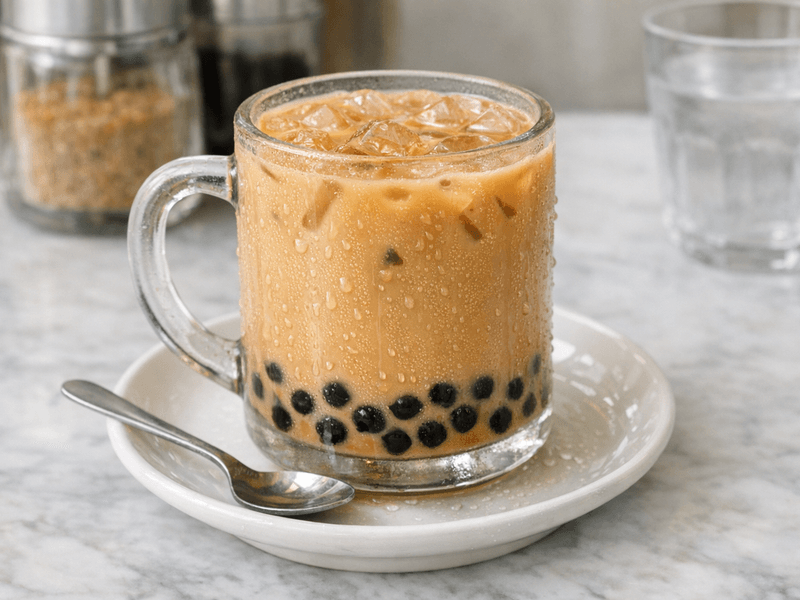
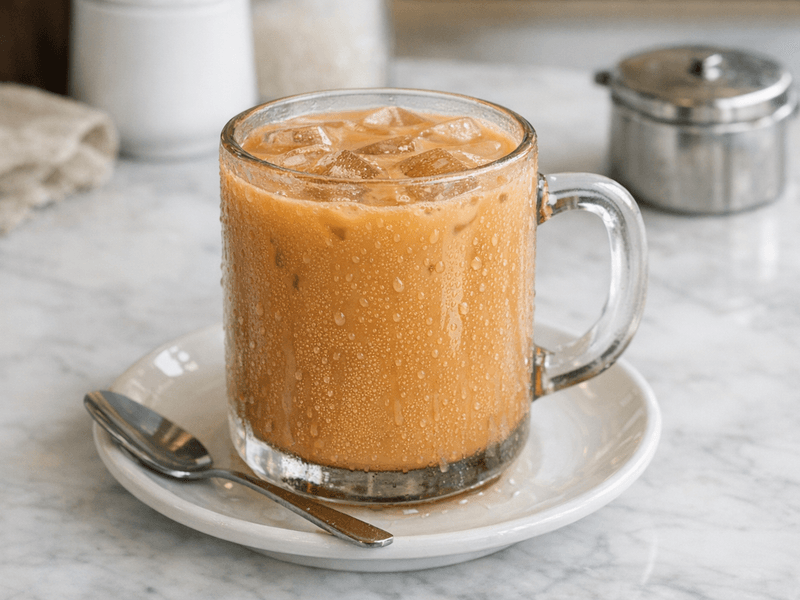
📸 Image coming soon for South Indian Filter Coffee Without Sugar
South Indian Filter Coffee Without Sugar
Hawker • Singapore
About South Indian Filter Coffee Without Sugar
South Indian Filter Coffee Without Sugar is a robust, aromatic brew that's a staple at some Indian stalls in Singapore hawker centres, especially where breakfast and teatime are celebrated. Unlike kopi or teh tarik, this coffee is made from fresh ground coffee powder, often blended with chicory, brewed in a traditional metal filter. The result is a strong, earthy cup served in a stainless steel tumbler with a small bowl — the classic 'decoction and milk' style. Without sugar, the flavour is intense and slightly bitter, appealing to those who want their caffeine without added sweetness. Nutritionally, filter coffee without sugar is very light: just 15 kcal per 100g, with minimal fat and carbohydrates. The largest contributor is the milk, so if you want to keep it even lighter, ask for less or opt for a smaller portion. Since it contains hardly any fibre, it's a good low-calorie beverage to accompany heavier hawker breakfasts. For those watching their sugar intake, this unsweetened version is a smart choice, but portion control is still key if you're sensitive to caffeine. Unlike commercial kopi, this is usually vegetarian and halal-safe, as milk is the only animal product used. When ordering at a hawker centre, you can request "no sugar" or "kosong" to make sure the coffee is unsweetened. Some stalls may pour the coffee back and forth between cups to froth it lightly before serving, enhancing the traditional experience. Pair it with thosai or idli for an authentic South Indian hawker breakfast.
How to Make South Indian Filter Coffee Without Sugar (Traditional & Healthy Version)
South Indian Filter Coffee Without Sugar is a cherished beverage in Singapore, especially among the Indian community whose rich culinary traditions have shaped local food culture. This aromatic drink is a staple at many kopitiams (local coffee shops) and Indian hawker stalls across Little India and Tekka Centre, where the sound of coffee being poured back and forth between steel tumblers is as iconic as the beverage itself. Traditionally brewed from freshly ground coffee beans and chicory, this version omits sugar for a health-conscious twist, allowing the robust, earthy flavors to shine. The distinctive preparation method, using a metal coffee filter, brings out deep, nuanced notes and a rich crema, making it a favorite morning ritual for many. In Singapore, filter coffee has evolved with fusion influences, sometimes made with local beans or served alongside kaya toast for a uniquely local experience. Its smooth yet bold taste profile, combined with a frothy texture, makes it both comforting and invigorating. Perfect for those seeking an authentic taste of Singapore’s Indian culinary heritage, this sugar-free filter coffee is a guilt-free way to enjoy a beloved tradition.
Ingredients(for 1 traditional tumbler (about 150ml))
- 4 tablespoons South Indian filter coffee powder (freshly ground, with chicory)
- 1 cup (250 ml) Water (filtered)
- 1 cup (250 ml) Low-fat milk (or plant-based for vegan)
- 1 small piece Cinnamon stick (for subtle aroma (optional)) - optional
- 1 Cardamom pod (lightly crushed (optional)) - optional
- as needed Hot water (for pre-heating filter) - optional
- optional Ice cubes (for iced version) - optional
- to taste Stevia or natural sweetener (optional, only if desired) - optional
Instructions
- 1
Pre-heat the traditional South Indian coffee filter by rinsing it with hot water. This helps maintain optimal brewing temperature.
2 minutes
Ensure the filter is dry before adding coffee powder for best extraction.
- 2
Add coffee powder to the upper compartment of the filter. Press it gently with the filter plunger for even extraction.
2 minutes
Do not pack the coffee too tightly; this allows water to flow evenly.
- 3
Pour boiling water (about 1 cup) over the coffee powder, cover with the lid, and let the decoction drip into the lower compartment for 15-20 minutes.
20 minutes
A slow drip yields a strong, aromatic decoction.
- 4
While the decoction is brewing, heat low-fat milk in a saucepan until just about to boil. Optionally, add cardamom or cinnamon for subtle flavor.
5 minutes
Stir milk occasionally to prevent scorching.
Why This Dish is Healthy
This sugar-free version is an excellent alternative for those seeking a healthy, energizing drink. By skipping sugar and using low-fat or plant-based milk, you minimize empty calories while still enjoying the comforting taste of traditional filter coffee. The antioxidants in coffee support heart health, and the protein from milk aids muscle maintenance, making it a smart choice for mornings or as a midday pick-me-up.
South Indian Filter Coffee Without Sugar is a low-calorie beverage, especially when made with low-fat or plant-based milk. Omitting sugar significantly reduces the glycemic load, making it suitable for weight management and diabetics. Coffee is a natural source of antioxidants like chlorogenic acids, which may support metabolism and provide anti-inflammatory benefits. Milk adds calcium, vitamin D, and protein, supporting bone health. Using spices like cardamom or cinnamon can enhance flavor without additional calories.
Pro Tips
- 💡Use freshly ground coffee powder for the best aroma and taste.
- 💡Pre-heat your filter and tumbler to maintain optimal brewing temperature.
- 💡Pour back and forth between tumblers for authentic frothy texture.
Storage & Serving
Freshly brewed filter coffee decoction can be refrigerated in an airtight container for up to 2 days. Reheat gently before mixing with hot milk. Avoid storing mixed coffee for long periods to preserve flavor and aroma.
Best served: Breakfast or Lunch
Nutrition Facts
| Nutrient | Per 100g |
|---|---|
| Energy | 15.0 kcal |
| Protein | 1.0 g |
| Carbohydrates | 3.0 g |
| Total Fat | 2.0 g |
| Fiber | 0.0 g |
Cultural Notes
Filter coffee without sugar is less common than sweet kopi or teh tarik but has a loyal following among Singaporeans seeking authentic South Indian flavours at hawker stalls. It is often enjoyed as a morning or afternoon beverage with classic Indian breakfast items.