Sweet Lotus Bao
Hawker • Singapore
How to Make Sweet Lotus Bao (Traditional & Healthy Version)
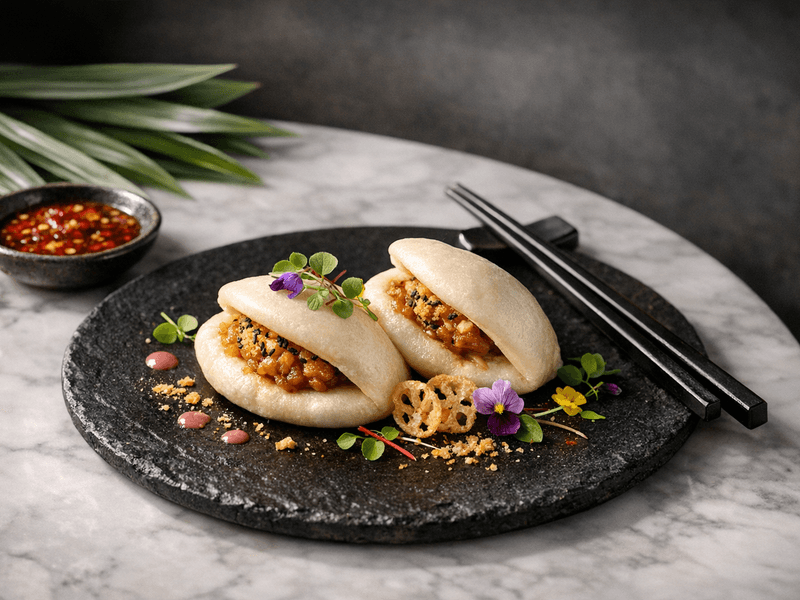
Sweet Lotus Bao is a beloved dessert that graces many kopitiam counters and hawker stalls across Singapore. Rooted in the Chinese heritage of Singapore, this fluffy steamed bun is filled with a smooth, fragrant lotus seed paste, offering a delightful combination of sweetness and lightness. Over the years, Sweet Lotus Bao has taken on a unique Singaporean identity, often reflecting the city’s fusion of cultures and penchant for innovative twists on tradition. The bao’s soft, cloud-like dough is carefully handcrafted and steamed, symbolizing comfort and celebration. It's a favorite during tea time, festive gatherings, or as a sweet end to a hawker meal. The recipe’s balance of texture and flavor—pillowy bao paired with the subtly nutty and sweet lotus paste—makes it a popular treat for locals of all ages. By embracing lighter ingredients and mindful preparation, you can now enjoy this classic Singaporean dessert in a healthier way without sacrificing its authentic taste. Whether enjoyed as a midday snack or as part of a celebratory spread, Sweet Lotus Bao represents Singapore’s culinary diversity and hawker culture. Its fusion influences are evident in the use of whole wheat flour and reduced sugar, catering to modern health-conscious foodies while honoring tradition.
Ingredients(for 2 medium baos per serving)
- 1 cup Whole wheat flour (can mix with low-gluten bao flour)
- 1 tsp Baking powder (aluminium-free)
- 1/2 tsp Instant yeast
- 1/3 cup Warm water (around 40°C)
- 2 tbsp Coconut sugar (or low GI sugar)
- 1 tbsp Vegetable oil (neutral oil like canola)
- 1/2 cup Lotus seed paste (homemade or store-bought, reduced sugar)
- 1/8 tsp Salt
- as needed Bamboo steamer paper (or baking paper squares) - optional
Instructions
- 1
In a large mixing bowl, combine whole wheat flour, baking powder, instant yeast, and salt. Mix well to distribute the leavening agents evenly.
3 minutes
Sift the dry ingredients for an extra-fluffy bao texture.
- 2
Add warm water, coconut sugar, and vegetable oil to the dry mixture. Stir and knead until a smooth, elastic dough forms (about 5-7 minutes by hand).
7 minutes
If dough is sticky, dust lightly with more flour; do not over-flour.
- 3
Cover the dough with a damp cloth and let it rest in a warm spot for 30 minutes, until slightly risen.
30 minutes
Proof dough in a switched-off oven with the light on for consistent warmth.
- 4
Divide dough into 4 equal pieces. Flatten each into a small round disc, about 0.5 cm thick.
3 minutes
Keep unused dough covered to prevent drying.
Why This Dish is Healthy
By swapping traditional refined flour for whole wheat and reducing added sugar, this Sweet Lotus Bao is lower in empty calories and higher in nutrients. Steaming instead of baking or frying keeps the fat content minimal. This dessert is portion-controlled, heart-friendly, and suitable for a wholesome vegetarian lifestyle, making it a smart choice for those seeking health-conscious Singaporean recipes.
This Sweet Lotus Bao recipe is made healthier with whole wheat flour, providing dietary fiber and complex carbohydrates for sustained energy. The use of coconut sugar lowers the glycemic index compared to refined sugars, helping regulate blood sugar levels. Lotus seed paste offers plant-based protein, magnesium, and B vitamins, supporting metabolism and muscle function. Low in saturated fat and free from dairy, this bao fits well into a balanced vegetarian diet.
Pro Tips
- 💡Tip 1: Ensure your steamer is at full steam before adding baos for the fluffiest results.
- 💡Tip 2: For extra smooth lotus paste, blend with a tablespoon of water before filling.
- 💡Tip 3: Use parchment or steamer paper to prevent sticking and tearing of the bao bottoms.
Storage & Serving
Store leftover baos in an airtight container in the refrigerator for up to 3 days. Re-steam for 3-4 minutes before serving to restore softness. Do not freeze, as the lotus paste may separate.
Best served: Breakfast or Lunch
Nutrition Facts
| Nutrient | Per 100g |
|---|---|
| Energy | 220.0 kcal |