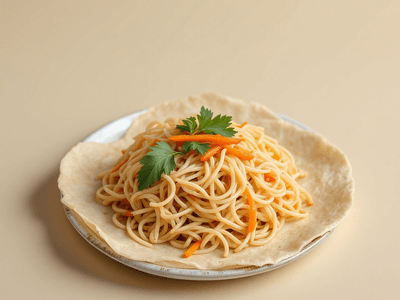
Kway Chap
Hawker • Singapore
About Kway Chap
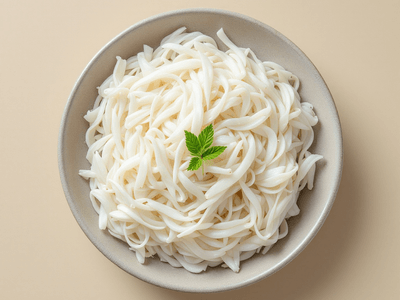
Flat rice noodles in herbal broth with braised pork offal
How to Make Kway Chap (Traditional & Healthy Version)
Kway Chap is a beloved staple in Singapore's vibrant hawker culture, especially popular among locals enjoying lunch at their neighborhood kopitiam (coffee shop). This dish features silky smooth flat rice noodles ('kway') served in a light, aromatic herbal broth alongside an assortment of braised meats and tofu. Rooted in Teochew cuisine, Kway Chap has evolved within Singapore’s melting pot, reflecting both traditional flavors and modern, health-conscious adaptations. The appeal of Kway Chap lies in its comforting warmth and balanced textures—from the tender braised pork belly to the bouncy tau pok (fried beancurd), all complemented by the gentle fragrance of the broth. Over the years, it has become a symbol of Singapore’s multicultural food scene, often enjoyed as a hearty lunch or shared meal with family and friends. This version is designed to be lower in fat while retaining authentic taste, making it a fantastic choice for calorie-conscious food lovers seeking real Singaporean flavors.
Ingredients(for 1 bowl with noodles, broth, and assorted toppings)
- 200g Flat rice sheets (kway) (fresh or dried, available at wet markets)
- 120g Lean pork belly (choose less fatty cuts for health)
- 1 block (100g) Firm tofu (tau kwa)
- 2 pieces Tau pok (fried beancurd puff) (sliced)
- 1 Hard-boiled egg (halved)
- 2 cloves Garlic (crushed)
- 2 Shallots (sliced thinly)
- 2 tbsp Light soy sauce (reduced sodium preferred)
- 1 tbsp Dark soy sauce (for color and depth)
- 1 tsp Five-spice powder (adds signature aroma)
- 1 pod Star anise (for herbal notes)
- 1 small stick Cinnamon stick
- 700ml Water (for broth)
- 2 stalks Spring onions (chopped, for garnish) - optional
- a few sprigs Fresh coriander (optional garnish) - optional
Instructions
- 1
Prepare the broth by heating a pot with 700ml water. Add garlic, shallots, star anise, cinnamon stick, five-spice powder, light soy sauce, and dark soy sauce.
5 minutes
Gently toast the spices before adding water for richer aroma.
- 2
Add lean pork belly, tofu, tau pok, and hard-boiled egg into the broth. Simmer on medium heat until the pork is tender and the flavors have melded.
15 minutes
Use low-sodium soy sauce to reduce salt content.
- 3
While the broth simmers, soak or blanch the flat rice sheets (kway) in hot water until soft and pliable. Drain well and set aside.
3 minutes
Do not overcook the kway to maintain its silky texture.
- 4
Remove the braised items from the broth. Slice the pork belly, tofu, and tau pok into bite-sized pieces.
2 minutes
Allow them to cool slightly before slicing for cleaner cuts.
Why This Dish is Healthy
By adapting traditional Kway Chap with lean pork and more tofu, this dish becomes lower in saturated fat and calories while still delivering authentic Singaporean flavors. Steaming or blanching rice sheets instead of frying, plus the use of fresh aromatics, maximizes nutrition. It is a great choice for those tracking calories yet craving a truly local hawker meal.
This healthier Kway Chap recipe provides a balanced meal with lean protein from pork and tofu, complex carbs from rice sheets, and minimal added fat. The herbal broth is rich in antioxidants from spices such as star anise and cinnamon. Tofu adds calcium and plant-based protein, while eggs contribute essential vitamins like B12 and D. Using less fatty cuts and reduced sodium soy sauce lowers overall cholesterol, making it suitable for a balanced diet.
Pro Tips
- 💡Tip 1: Skim off excess fat from the broth for a lighter meal.
- 💡Tip 2: Use fresh herbs for garnish to brighten up the flavors.
- 💡Tip 3: Prepare all toppings ahead for quick assembly at mealtime.
Storage & Serving
Store leftover broth and toppings separately in airtight containers in the refrigerator for up to 2 days. Reheat gently before serving and prepare fresh kway for best texture.
Best served: Breakfast or Lunch
Nutrition Facts
| Nutrient | Per 100g |
|---|---|
| Energy | 480.0 kcal |
| Protein | 22.0 g |
| Carbohydrates | 42.0 g |
| Total Fat | 24.0 g |
| Fiber | 1.0 g |