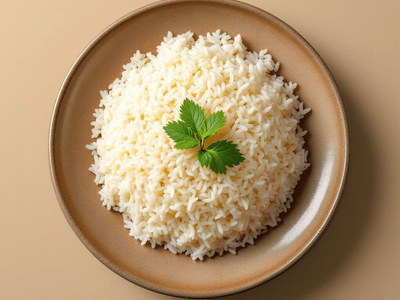
Nasi Ulam
Hawker • Singapore
About Nasi Ulam
Peranakan herb rice with finely shredded herbs and dried shrimp
How to Make Nasi Ulam (Traditional & Healthy Version)
Nasi Ulam is a vibrant Singaporean rice salad that beautifully showcases the city-state’s rich hawker culture and fusion influences. Traditionally enjoyed in the heart of bustling kopitiams, this dish is a fragrant medley of steamed rice, fresh local herbs, toasted coconut, and a hint of spice, often paired with protein such as shredded chicken or fish. The name 'Nasi Ulam' comes from the Malay word for 'rice' (nasi) and 'herbs' (ulam), reflecting its Peranakan heritage and the multicultural tapestry of Singapore’s food scene. Known for its refreshing flavors and textural contrasts, Nasi Ulam is a staple at family gatherings and festive occasions, as well as a healthy lunch option for those seeking light yet satisfying meals. The dish is celebrated for its ability to balance aromatic herbs like daun kesum (Vietnamese coriander), kaffir lime leaves, and lemongrass with the gentle nuttiness of brown rice and coconut. In Singapore, it’s common to see Nasi Ulam served at hawker stalls and modern cafes alike, reflecting the city’s passion for fusion and health-conscious eating. With its low oil content and generous use of fresh greens, Nasi Ulam is a perfect representation of Singapore’s evolving culinary identity and commitment to nutritious, flavorful cuisine.
Ingredients(for 1 medium-sized bowl (approx. 250g) per serving)
- 1 cup (uncooked) Brown rice (healthier base for salad)
- 100g Shredded chicken breast (steamed or poached)
- 3 leaves Fresh kaffir lime leaves (finely sliced)
- 10 leaves Daun kesum (Vietnamese coriander) (finely chopped)
- 1 stalk Lemongrass (white part only, finely sliced)
- 2cm piece Fresh turmeric root (finely grated)
- 2 tbsp Toasted grated coconut (kerisik) (dry toasted)
- 1 Red chili (deseeded) (finely sliced) - optional
- 1/2 Cucumber (julienned)
- 1/4 tsp Salt (to taste)
- 1 tbsp Lime juice (freshly squeezed)
Instructions
- 1
Cook the brown rice according to package instructions. Allow it to cool to room temperature for best results.
20 minutes
Spread rice on a tray to cool quickly and prevent clumping.
- 2
While rice is cooling, steam or poach the chicken breast until cooked through. Shred finely using two forks.
10 minutes
Use leftover chicken for convenience and extra flavor.
- 3
Prepare all fresh herbs: finely slice the kaffir lime leaves, chop daun kesum, slice lemongrass, and grate turmeric root.
5 minutes
Use a sharp knife for herbs to release their essential oils.
- 4
Dry toast grated coconut in a pan over medium heat until golden brown and fragrant. Set aside.
3 minutes
Keep stirring to prevent coconut from burning.
Why This Dish is Healthy
This Nasi Ulam recipe is a healthy choice due to its emphasis on whole grains, fresh vegetables, and herbs, which are high in nutrients and low in calories. The use of brown rice instead of white increases fiber, aiding digestion and supporting stable blood sugar levels. Minimal oil and natural flavorings enhance taste without extra calories, making this dish ideal for weight management, diabetes-friendly diets, and a heart-healthy lifestyle.
Nasi Ulam is packed with dietary fiber, lean protein, and antioxidants from its medley of fresh herbs and brown rice base. The dish provides vitamins A, C, and E from kaffir lime, turmeric, and cucumber, while coconut delivers healthy fats in moderation. Using lean chicken breast keeps saturated fat low and boosts protein content, supporting muscle maintenance and satiety. This balanced combination makes Nasi Ulam a nutrient-rich choice for anyone seeking wholesome Singaporean cuisine.
Pro Tips
- 💡Tip 1: Chop herbs just before mixing to preserve freshness and aroma.
- 💡Tip 2: Cool rice completely before mixing to avoid sogginess.
- 💡Tip 3: Adjust herbs and lime juice to your taste for a personalized touch.
Storage & Serving
Store leftovers in an airtight container in the fridge for up to 2 days. Best enjoyed fresh, but can be eaten cold or at room temperature. Do not freeze as herbs will lose their texture.
Best served: Breakfast or Lunch
Nutrition Facts
| Nutrient | Per 100g |
|---|---|
| Energy | 320.0 kcal |
| Protein | 8.0 g |
| Carbohydrates | 48.0 g |
| Total Fat | 10.0 g |
| Fiber | 3.0 g |