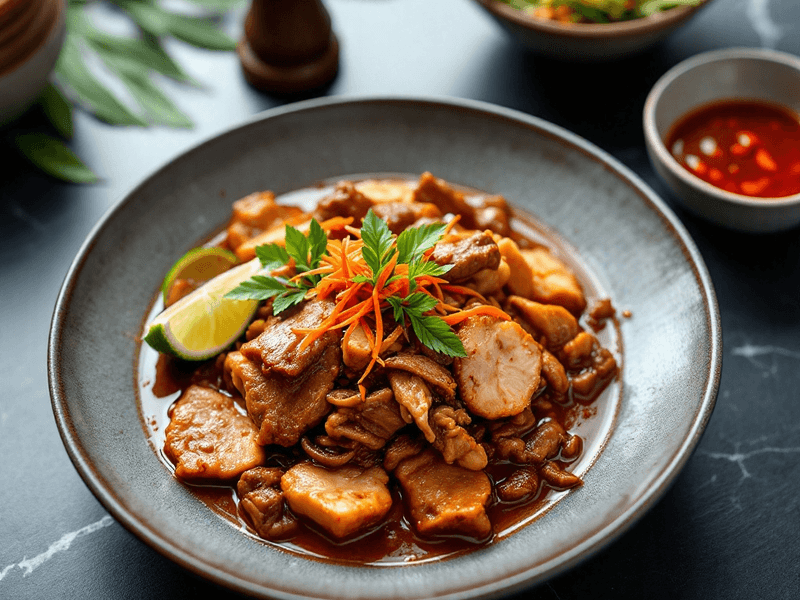
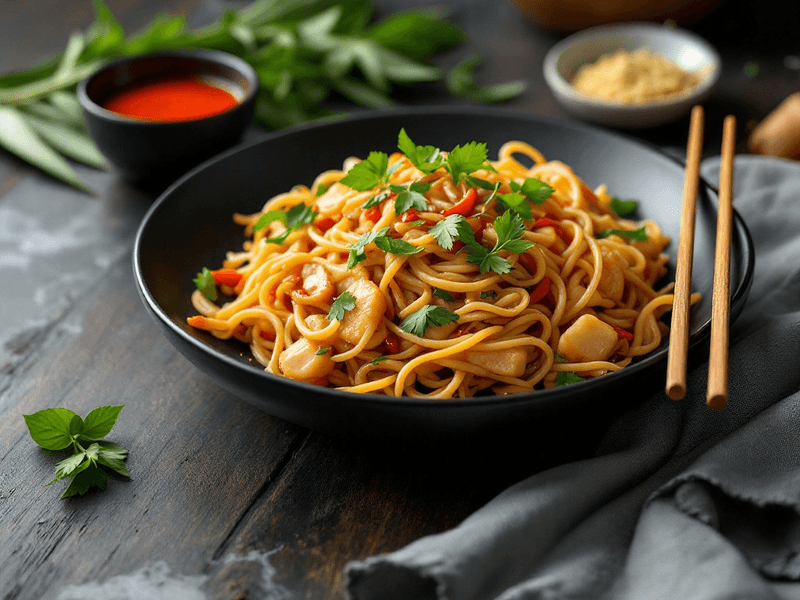
📸 Image coming soon for Japanese Chicken Curry
Japanese Chicken Curry
Lunch • Singapore
How to Make Japanese Chicken Curry (Traditional & Healthy Version)
Japanese Chicken Curry has found its way into Singapore’s vibrant food culture, especially in kopitiams and fusion hawker stalls. In Singapore, this dish is a favorite among locals seeking a comforting lunch that blends the gentle sweetness of Japanese curry with the hearty textures familiar to Singaporean palettes. The fusion of tender chicken, root vegetables, and aromatic curry sauce creates a wholesome meal that’s both nostalgic and modern, perfect for anyone looking for a taste of Japan with a uniquely Singaporean twist. While Japanese Chicken Curry originates from Japan, its adaptation in Singapore has embraced local influences—like using locally grown potatoes (kentang) and carrots, and lighter cooking methods to suit health-conscious eaters. You’ll find it at bustling hawker centres, often served with steamed rice for a satisfying lunch. The mild, slightly sweet curry sauce appeals to both adults and children, making it a versatile option for families and those seeking a nutritious meal. Incorporating local produce and cutting back on fats, this recipe is designed for calorie trackers and anyone aiming for a balanced diet without sacrificing authentic flavor.
Ingredients(for 1 hearty bowl, as commonly served in Singapore kopitiams)
- 200g Boneless chicken breast (skinless for lower fat)
- 1 cup, diced Potatoes (kentang) (local variety)
- 1/2 cup, chopped Carrots
- 1 small, sliced Onion
- 2 cubes Japanese curry roux cubes (available at major supermarkets)
- 1 cup Low sodium chicken stock
- 1/4 cup Peas (optional for extra fiber) - optional
- 1 tbsp Cooking oil (can use canola or sunflower)
- 2 cups, cooked Brown rice (for serving)
- 1/4 tsp Salt (optional, adjust to taste) - optional
- 1 tbsp, chopped Fresh coriander (optional garnish) - optional
Instructions
- 1
Heat cooking oil in a pot over medium heat. Add sliced onion and sauté until fragrant and translucent.
3 minutes
Use minimal oil and stir constantly to prevent burning.
- 2
Add diced chicken breast and stir-fry until lightly browned on all sides.
4 minutes
Cut chicken into small pieces for faster cooking and even distribution.
- 3
Add potatoes, carrots, and peas (if using). Stir to combine with chicken and onions.
3 minutes
Ensure vegetables are evenly cut for uniform cooking.
- 4
Pour in low sodium chicken stock. Bring to a gentle simmer, cover, and cook until vegetables are tender.
6 minutes
Simmer with lid on to retain moisture and nutrients.
Why This Dish is Healthy
By using skinless chicken breast and brown rice, this recipe lowers calorie and fat content while increasing protein and fiber. The vegetables add natural sweetness, nutrition, and bulk without excess calories. Light cooking methods, reduced oil, and low sodium stock make it suitable for those watching their macros. It’s a wholesome lunch choice for anyone on a calorie tracking plan, perfect for Singaporeans seeking a balanced meal that’s both delicious and nutritious.
This Japanese Chicken Curry is packed with lean protein from chicken breast, complex carbohydrates from brown rice and potatoes, and vitamins from carrots and peas. Using low sodium chicken stock and minimal oil reduces saturated fat and sodium. The dish provides essential nutrients like vitamin A, potassium, and dietary fiber, supporting digestive health and energy. The curry sauce is mild, making it suitable for sensitive stomachs, and the inclusion of peas and coriander boosts antioxidants.
Pro Tips
- 💡Tip 1: Use brown rice instead of white for added fiber and nutrition.
- 💡Tip 2: Add chopped coriander at the end for a refreshing local twist.
- 💡Tip 3: Pre-cut vegetables to save prep time during busy lunch hours.
Storage & Serving
Store curry in an airtight container in the fridge for up to 3 days. Reheat gently on stove or microwave, adding a splash of water if needed. Do not freeze, as potatoes may become mushy.
Best served: Lunch
Nutrition Facts
| Nutrient | Per 100g |
|---|---|
| Energy | 520.0 kcal |