📸 Image coming soon for Japanese Curry Rice
Japanese Curry Rice
Lunch • Singapore
How to Make Japanese Curry Rice (Traditional & Healthy Version)
Japanese Curry Rice has become a beloved staple in Singapore’s vibrant food scene, often spotted in bustling kopitiams and hawker centres that embrace culinary fusion. Originally inspired by the comforting Japanese kare raisu, this dish has been delightfully adapted to suit Singaporean tastes, often featuring local vegetables and a lighter curry. Its rich, mildly spiced sauce poured over fluffy rice is both satisfying and heartwarming, making it a favourite lunch option for busy Singaporeans seeking a wholesome yet flavourful meal. The beauty of Singaporean Japanese Curry Rice lies in its versatility and accessibility. Vegetarian renditions, like this recipe, are now common across Singapore, offering a meat-free but protein-rich alternative without sacrificing taste or satisfaction. The curry’s gentle heat and sweetness appeal to different palates, while its vibrant colour and aroma evoke comfort and nostalgia. Whether enjoyed in a kopitiam or home kitchen, Japanese Curry Rice is a testament to Singapore’s unique blend of multicultural influences and health-conscious dining trends.
Ingredients(for 1 generous hawker-style plate per person)
- 1 cup (uncooked) Short-grain rice (Japanese rice or locally available calrose)
- 1 medium Yellow onion (sliced thinly)
- 1 medium Carrot (peeled and diced)
- 1 medium Potato (peeled and cubed)
- 1/2 cup Frozen peas
- 120g Firm tofu (cubed, tau kwa)
- 2 cubes (about 40g) Japanese curry roux (vegetarian) (check for vegan label or use homemade)
- 2 cups Low-sodium vegetable broth (homemade or store-bought)
- 1 tbsp Cooking oil (canola or sunflower)
- to taste Salt - optional
- 1 stalk Spring onion (sliced, for garnish) - optional
Instructions
- 1
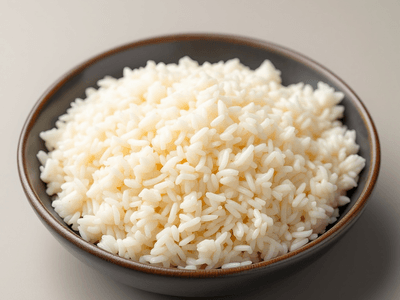
Rinse the short-grain rice 2-3 times until water runs clear. Cook rice in a rice cooker or pot with 1.2 cups of water per cup of rice. Let it keep warm while you prepare the curry.
15 minutes
Let the rice rest for 10 minutes after cooking for fluffier texture.
- 2
Heat cooking oil in a large non-stick pan over medium heat. Add sliced onions and sauté until translucent and fragrant.
3 minutes
Stir often to prevent burning and bring out natural sweetness.
- 3
Add carrots and potatoes to the pan. Sauté for 2-3 minutes until edges start to soften.
3 minutes
Cut vegetables evenly to ensure even cooking.
- 4
Pour in the vegetable broth and bring to a gentle boil. Lower the heat and simmer, covered, for 8 minutes or until vegetables are just tender.
8 minutes
Check doneness with a fork; don’t overcook for best texture.
Why This Dish is Healthy
This curry rice is a healthy choice as it uses minimally processed ingredients, is low in saturated fat, and features a variety of vegetables that provide antioxidants and fibre. Swapping meat for tofu reduces cholesterol and introduces plant-based protein, making it suitable for weight management and heart health. The portion size is also controlled to fit a typical Singaporean lunch, perfect for calorie counting.
This vegetarian Japanese Curry Rice is packed with plant-based protein from tofu and fibre-rich vegetables like carrots, potatoes, and peas. The dish delivers essential vitamins such as A and C, plus minerals like potassium and iron. Using a low-sodium broth and minimal oil keeps saturated fat and sodium in check, supporting heart health. Short-grain rice provides energy-giving carbohydrates, while the inclusion of peas adds more protein and micronutrients. It’s a balanced meal that keeps you full and energized.
Pro Tips
- 💡Tip 1: For extra aroma, sauté a small knob of grated ginger with the onions.
- 💡Tip 2: Add a splash of light soy sauce for a local Singaporean twist.
- 💡Tip 3: Use a non-stick pan to reduce oil usage and prevent sticking.
Storage & Serving
Store leftover curry and rice separately in airtight containers in the fridge for up to 2 days. Reheat curry gently over low heat, adding a splash of water to loosen if needed. Rice can be reheated in a microwave or steamer.
Best served: Breakfast or Lunch
Nutrition Facts
| Nutrient | Per 100g |
|---|---|
| Energy | 600.0 kcal |