📸 Image coming soon for Japanese Vegetable Curry
Japanese Vegetable Curry
Lunch • Singapore
How to Make Japanese Vegetable Curry (Traditional & Healthy Version)
Japanese Vegetable Curry has found its way into Singapore’s vibrant food scene, especially in kopitiams and hawker centres that celebrate fusion cuisine. This wholesome vegetarian curry blends classic Japanese flavours with local Singaporean touches, offering a comforting meal that’s both satisfying and nutritious. The curry is rich, mildly spicy, and packed with tender vegetables, making it a favourite for lunch among busy professionals and families alike. In Singapore, Japanese Vegetable Curry is often enjoyed as a lighter lunch option that doesn’t compromise on taste. Singaporeans love its velvety sauce, aromatic spices, and variety of local vegetables, which add a unique Southeast Asian twist. The dish is a testament to Singapore’s multicultural food landscape, where Japanese influences are adapted to suit local palates, making it a fusion delight you might spot at modern kopitiams alongside traditional favourites. This version is health-conscious, using less oil and whole ingredients, perfect for calorie tracking without missing out on flavour.
Ingredients(for 1 generous bowl with rice, typical for Singapore lunch)
- 1 medium Carrot (chopped)
- 1 medium Potato (cubed)
- 1/2 cup Sweet corn (fresh or frozen)
- 1 small Onion (diced)
- 2 blocks Japanese curry roux (vegetarian version, available at supermarkets)
- 1 cup Broccoli (cut into florets)
- 1/2 cup Edamame (shelled)
- 2 cups Vegetable stock (low-sodium)
- 1 tbsp Cooking oil (canola or sunflower)
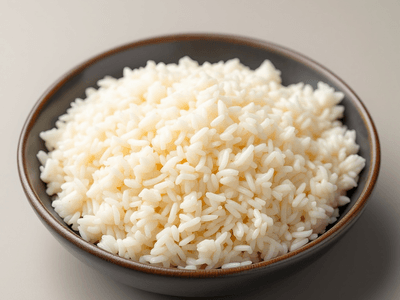
- 2 cups Cooked Japanese rice (short-grain, local brand if available)
Instructions
- 1
Heat oil in a deep pan. Add onions and sauté until fragrant and translucent.
3 minutes
Use low heat to prevent burning and maximize flavour extraction.
- 2
Add carrots and potatoes. Stir-fry for 3-4 minutes until edges are slightly golden.
4 minutes
Cut vegetables evenly for uniform cooking.
- 3
Pour in vegetable stock and bring to a gentle simmer. Cover and cook until vegetables are tender.
8 minutes
Use low-sodium stock to keep the dish heart-healthy.
- 4
Add broccoli, sweet corn, and edamame. Continue simmering until all vegetables are cooked.
5 minutes
Add broccoli towards the end to retain its vibrant colour and nutrients.
Why This Dish is Healthy
This Japanese Vegetable Curry is a healthy choice because it focuses on whole, plant-based ingredients and minimizes processed elements. The use of fresh vegetables, lean cooking methods, and low-sodium stock supports heart health and weight management. It's meat-free, cholesterol-free, and high in fibre, helping digestion and keeping calories in check. Ideal for Singaporeans who track their nutrition and prefer wholesome hawker-style meals.
Japanese Vegetable Curry is loaded with fibre, vitamins A and C from broccoli and carrots, potassium from potatoes, and plant-based protein from edamame. Using low-sodium vegetable stock and minimal oil keeps saturated fat low. The dish provides complex carbohydrates for sustained energy, making it suitable for a balanced lunch. The vegetables deliver antioxidants and phytonutrients that promote immunity, while the rice offers a gluten-free carbohydrate source.
Pro Tips
- 💡Tip 1: Use local vegetables like sweet corn and broccoli for freshness and nutrition.
- 💡Tip 2: Adjust curry thickness by adding more stock or reducing roux.
- 💡Tip 3: Garnish with chopped coriander or spring onion for a Singaporean twist.
Storage & Serving
Store leftover curry in an airtight container in the refrigerator for up to 3 days. Reheat gently on the stove or in the microwave. Rice can be kept separately to maintain texture.
Best served: Lunch
Nutrition Facts
| Nutrient | Per 100g |
|---|---|
| Energy | 420.0 kcal |