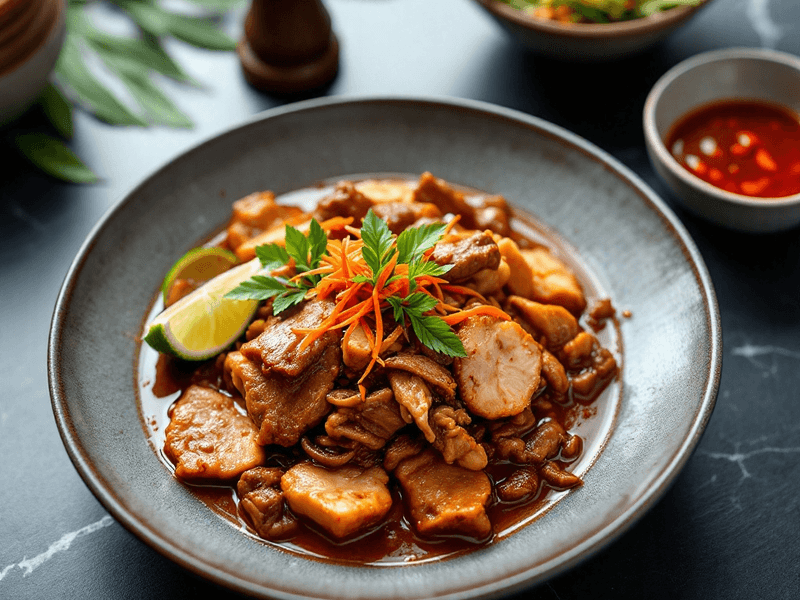
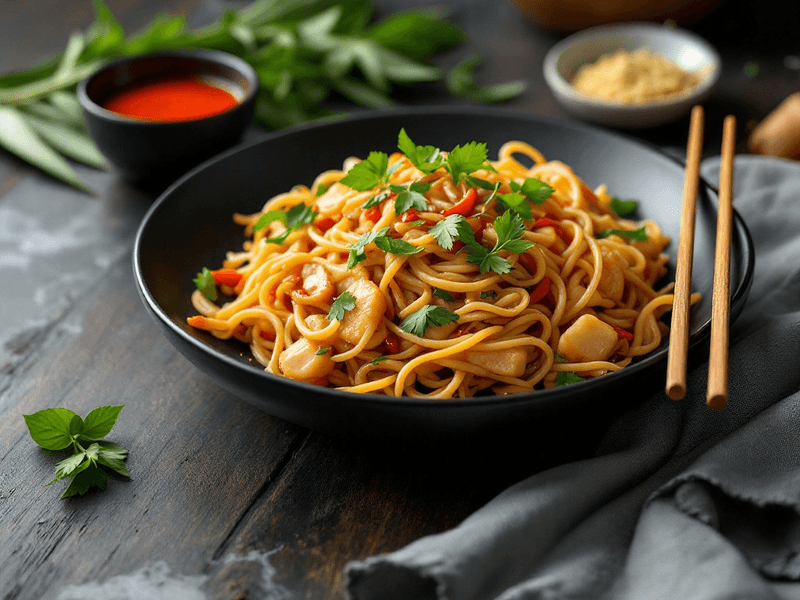
📸 Image coming soon for Teriyaki Chicken Thigh with Rice
Teriyaki Chicken Thigh with Rice
Lunch • Singapore
How to Make Vegetarian Teriyaki ‘Chicken’ Thigh with Rice (Traditional & Healthy Version)
Vegetarian Teriyaki ‘Chicken’ Thigh with Rice is a delicious fusion dish beloved in Singapore’s vibrant food scene, especially at modern kopitiam stalls and hawker centres that embrace global influences. While teriyaki flavours originated elsewhere, Singaporeans have made this dish their own by infusing it with local flair, often using plant-based proteins to cater to vegetarians and health-conscious diners. The combination of tender, savoury ‘chicken’ thighs (using hearty meat alternatives) and fragrant jasmine rice, drizzled with a sweet-salty teriyaki glaze, is both comforting and satisfying. This vegetarian adaptation captures the essence of Singapore’s melting pot cuisine, celebrating bold flavours and the spirit of innovation found at every corner of our island city. It’s an excellent lunch option for busy professionals or families who enjoy meat-free meals without compromising on taste or nutrition. The signature teriyaki sauce, made with less sugar and sodium, ensures the dish remains healthy yet packed with umami. Whether enjoyed in a bustling kopitiam or at home, this dish embodies the diversity and creativity of Singaporean food culture.
Ingredients(for 1 bowl per person (about 1 cup rice + 1 plant-based thigh))
- 2 pieces Plant-based chicken thigh (use firm tofu or local vegetarian mock meat (斋鸡))
- 1 cup Jasmine rice (fragrant local rice)
- 2 tbsp Low-sodium soy sauce (for healthier seasoning)
- 1 tbsp Mirin (or apple cider vinegar) (for mild sweetness)
- 1 tbsp Light brown sugar (use gula melaka for local touch)
- 1 tsp Sesame oil (adds aroma)
- 1 tsp Fresh ginger (grated)
- 2 cloves Garlic (minced)
- 1 stalk Spring onions (sliced, for garnish)
- 1 cup Steamed broccoli (optional for added fibre) - optional
Instructions
- 1
Rinse and cook the jasmine rice according to package instructions. Set aside and keep warm.
15 minutes
For fluffy rice, let it rest covered for 5 minutes after cooking.
- 2
Prepare the plant-based chicken thighs by patting them dry. If using tofu, slice thickly and press to remove excess moisture.
3 minutes
Well-pressed tofu or mock meat gives a meatier bite.
- 3
In a small bowl, mix low-sodium soy sauce, mirin (or apple cider vinegar), light brown sugar (or gula melaka), sesame oil, grated ginger, and minced garlic to create the teriyaki sauce.
2 minutes
Adjust sweetness or saltiness to your taste.
- 4
Heat a non-stick pan over medium heat. Add a small amount of oil, then pan-fry the plant-based thighs for 2-3 minutes on each side until golden brown.
6 minutes
Use minimal oil for a lighter dish.
Why This Dish is Healthy
By replacing traditional chicken thighs with plant-based proteins, this dish is lower in saturated fat and calories, making it a heart-healthy choice. Using low-sodium soy sauce and naturally sweet gula melaka helps reduce sodium and refined sugar intake. The addition of vegetables increases fibre and keeps you feeling full longer. This Singaporean vegetarian option is perfect for those seeking a balanced, nutritious lunch without sacrificing taste.
This vegetarian Teriyaki ‘Chicken’ Thigh with Rice is rich in plant-based protein from tofu or mock meat, providing essential amino acids for muscle repair. Jasmine rice offers complex carbohydrates for sustained energy, while the inclusion of ginger, garlic, and spring onions adds antioxidants and boosts immunity. The dish is low in saturated fat and cholesterol, especially when prepared with minimal oil. Steamed broccoli adds dietary fibre, vitamin C, and minerals, making this meal well-rounded for daily nutrition.
Pro Tips
- 💡Tip 1: For best texture, use firm tofu or high-quality local vegetarian mock meat.
- 💡Tip 2: Simmer sauce on low heat to avoid burning and achieve a glossy finish.
- 💡Tip 3: Add a dash of white pepper or chili padi for a local spicy kick.
Storage & Serving
Store leftovers in an airtight container in the fridge for up to 2 days. Reheat gently on the stove or microwave before serving. Rice is best eaten fresh but can be revived with a sprinkle of water.
Best served: Breakfast or Lunch
Nutrition Facts
| Nutrient | Per 100g |
|---|---|
| Energy | 410.0 kcal |