Egg Ramen
Hawker • Singapore
How to Make Egg Ramen (Traditional & Healthy Version)
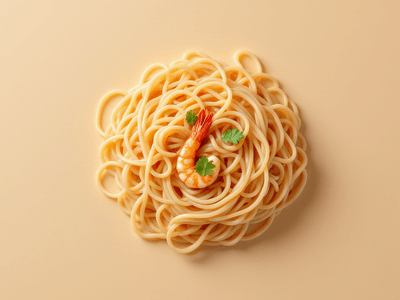
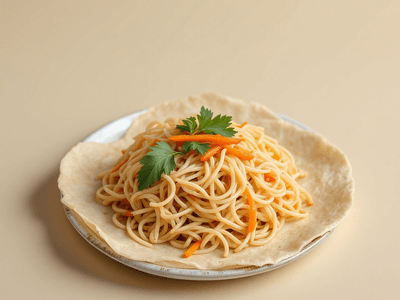
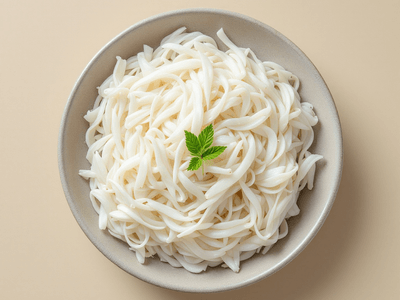
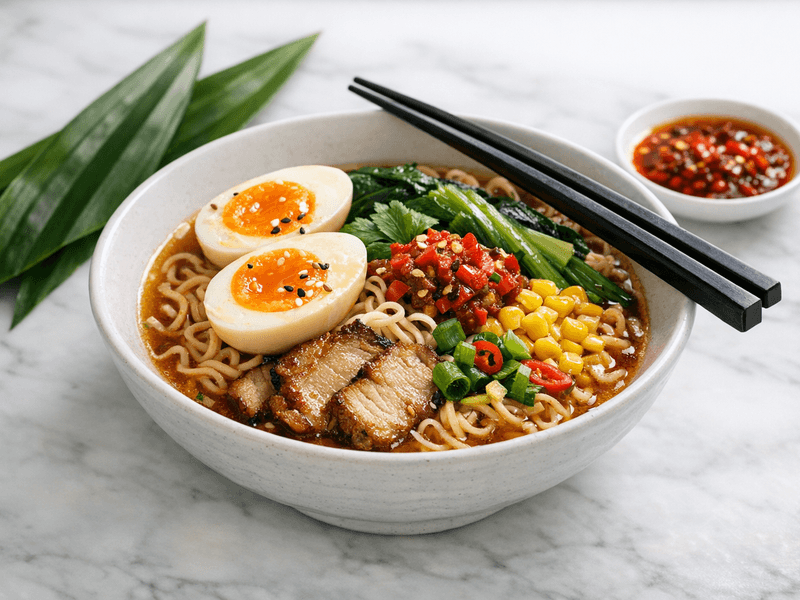
Egg Ramen in Singapore is a vibrant fusion dish that reflects the city-state’s multicultural food scene and hawker culture. Commonly found in kopitiams and modern hawker centres, this vegetarian egg ramen blends Japanese-style noodles with uniquely Singaporean flavors—think springy ramen, silky eggs, and vegetables tossed in a light, umami-rich broth. Drawing from the local love of noodle dishes, Egg Ramen has evolved to feature Southeast Asian ingredients and a burst of aromatic garnishes, making it both comforting and familiar to locals. Egg Ramen is a fantastic lunch choice for anyone seeking a wholesome, satisfying meal that’s quick to prepare but doesn’t compromise on taste. The dish is light yet filling, thanks to the balance of protein from eggs, fiber from vegetables, and complex carbohydrates from ramen noodles. It’s perfect for busy weekdays or as a nutritious midday treat, especially for vegetarians looking for more variety in Singapore’s bustling food landscape. With its roots in Singapore’s hawker fusion culture, this healthy Egg Ramen recipe is a delicious nod to both tradition and innovation.
Ingredients(for 1 deep bowl (approx. 400g) per serving, typical of Singapore kopitiam portions)
- 200g Fresh ramen noodles (can use mee or yellow noodles as local alternative)
- 2 large Eggs (preferably kampung eggs)
- 3 cups Low-sodium vegetable broth (homemade or ready-made)
- 1 cup Baby bok choy (chye sim as local alternative)
- 1/2 cup, julienned Carrots (adds crunch and color)
- 1/2 cup, sliced Shiitake mushrooms (optional: use fresh or dried)
- 1 tablespoon Light soy sauce (use low-sodium for health)
- 1/4 teaspoon White pepper (to taste)
- 1 teaspoon Sesame oil (for aroma)
- 2 stalks, chopped Spring onions (daun bawang)
- to garnish Chili slices (optional, for heat) - optional
Instructions
- 1
Prepare all vegetables by washing, slicing, and julienning as required. Set aside bok choy, carrots, and mushrooms separately.
5 minutes
Prep vegetables in advance for quick assembly.
- 2
Bring the vegetable broth to a gentle boil in a large pot. Add carrots and mushrooms, simmer for 5 minutes until slightly softened.
7 minutes
Simmer gently to preserve nutrients.
- 3
Add the ramen noodles and bok choy to the simmering broth. Cook for 2-3 minutes until noodles are just tender.
3 minutes
Do not overcook noodles to keep them springy.
- 4
In a separate small pot, bring water to a boil. Gently add eggs and boil for 6 minutes for soft-boiled texture. Immediately transfer to ice water, peel, and halve.
8 minutes
Soft-boiled eggs give a creamy texture; adjust time for firmer yolks.
Why This Dish is Healthy
Choosing this healthy Singaporean Egg Ramen means enjoying a nutritious bowl that’s lower in fat and sodium compared to traditional ramen. It incorporates lean protein, plenty of vegetables, and minimal oil, making it suitable for weight management and overall wellness. Thanks to the high fiber and protein content, it helps keep you full longer without unnecessary calories.
This Egg Ramen provides a balanced vegetarian meal, rich in high-quality protein from eggs, complex carbohydrates from ramen, and abundant vitamins and minerals from assorted vegetables like bok choy and carrots. Shiitake mushrooms add umami and antioxidants while keeping the dish low in calories and saturated fat. The use of a light, low-sodium vegetable broth makes it heart-friendly, and added fiber supports digestion and satiety.
Pro Tips
- 💡Tip 1: Use kampung eggs for richer flavor and better nutrition.
- 💡Tip 2: Always rinse noodles briefly after cooking to avoid stickiness.
- 💡Tip 3: Garnish with fresh herbs or nori for extra fragrance and nutrition.
Storage & Serving
Store leftovers in an airtight container in the refrigerator for up to 2 days. Reheat gently on the stove, adding a splash of water or broth to loosen noodles. For best results, store eggs separately and add them just before serving.
Best served: Breakfast or Lunch
Nutrition Facts
| Nutrient | Per 100g |
|---|---|
| Energy | 420.0 kcal |
| Protein | 6.0 g |
| Carbohydrates | 18.0 g |
| Total Fat | 4.0 g |
| Fiber | 1.0 g |