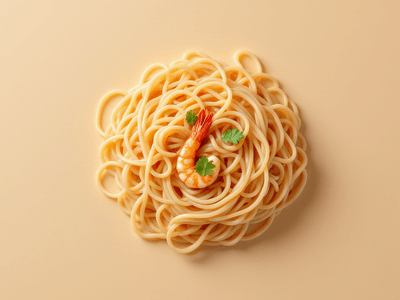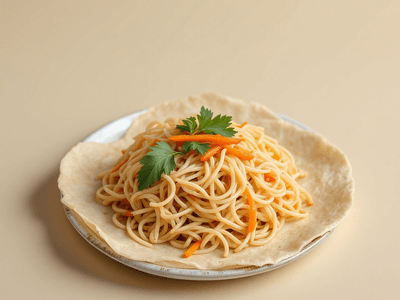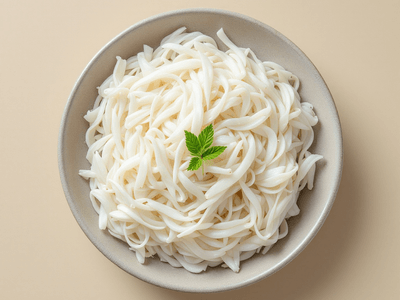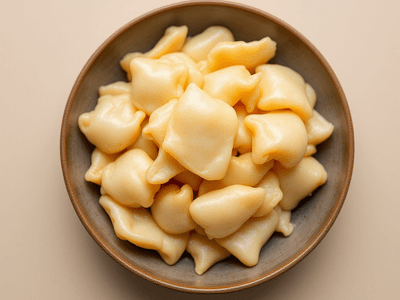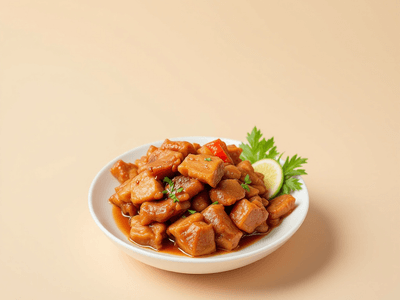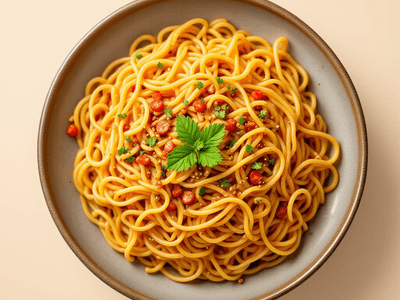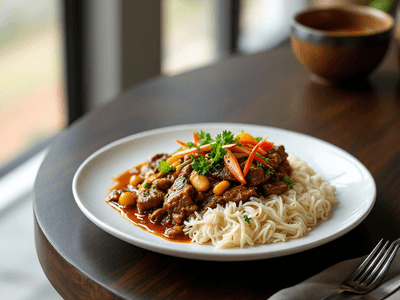
Ketupat with Beef Rendang
Hawker • Singapore
How to Make Ketupat with Vegetarian Rendang (Traditional & Healthy Version)
Ketupat with Rendang is a beloved dish in Singapore, often enjoyed during festive occasions and at bustling hawker centres. While traditionally made with beef, this vegetarian rendition makes it accessible to everyone, including those on plant-based diets. Ketupat, a diamond-shaped rice cake wrapped in woven palm leaves, is a staple in Malay cuisine and is often served alongside rich, aromatic rendang. In local kopitiams and hawker stalls, rendang is celebrated for its deep, complex flavors derived from a blend of spices and coconut milk, simmered together to create a hearty, comforting meal. In Singapore, the diversity of cultures and culinary traditions has inspired numerous rendang variations, including plant-based versions that retain the bold flavor profile of the original. By using mushrooms and tempeh, this recipe delivers the same satisfying taste and texture as its meaty counterpart, while being lighter and healthier. This dish is perfect for lunch, especially for those looking to enjoy authentic Singaporean flavours in a nutritious way. It's a testament to Singapore's hawker culture and its ability to adapt and innovate classic dishes for modern, health-conscious diners.
Ingredients(for 1 plate ketupat with vegetarian rendang)
- 1 cup Uncooked rice (for ketupat)
- 150g Tempeh (cubed)
- 100g Shiitake mushrooms (sliced)
- 200ml Coconut milk (light) (santan)
- 1 small Onion (chopped)
- 3 cloves Garlic (minced)
- 1-inch piece Ginger (grated)
- 1 stalk Lemongrass (bruised)
- 1 tbsp Chilli paste (adjust to taste)
- 1 tsp Ground coriander
- 1/2 tsp Ground cumin
- 3 Kaffir lime leaves (torn)
- 1 tsp Coconut sugar (gula melaka) - optional
- to taste Salt
- 1 tbsp Cooking oil (vegetable or coconut oil)
Instructions
- 1
To prepare ketupat, rinse the rice thoroughly. Fill small heatproof bags or moulds with half-cooked rice and seal tightly. Boil in plenty of water for 1 hour until firm.
60 minutes
Use ready-made ketupat pouches for convenience.
- 2
Heat oil in a wok over medium heat. Sauté onions, garlic, and ginger until fragrant, about 2-3 minutes.
3 minutes
Stir constantly to prevent burning and release aromas.
- 3
Add chilli paste, lemongrass, ground coriander, and cumin. Fry until oil separates and paste darkens, about 3-4 minutes.
4 minutes
Keep the heat moderate to avoid scorching the spices.
- 4
Stir in mushrooms and tempeh, coating them evenly with the spice paste. Sauté for another 2 minutes.
2 minutes
Mushrooms add a meaty texture; ensure even browning.
Why This Dish is Healthy
Opting for a vegetarian rendang significantly reduces calories and saturated fat compared to traditional beef rendang. Using whole food ingredients like tempeh and mushrooms boosts protein and fiber, keeping you fuller for longer. The recipe is low in oil and uses minimal added sugars, making it suitable for weight loss and diabetic-friendly diets. Its plant-based profile supports a cleaner, nutrient-dense meal, perfect for Singaporeans seeking hawker-style flavors without compromising on health.
This vegetarian Ketupat with Rendang is rich in plant-based protein from tempeh and mushrooms, offering fiber and essential amino acids. The dish uses light coconut milk to reduce saturated fat without sacrificing flavor. Spices like ginger, garlic, and lemongrass add antioxidants and anti-inflammatory properties. The ketupat provides complex carbohydrates, supporting sustained energy, while the absence of red meat lowers cholesterol and saturated fat intake. This makes the meal suitable for heart health, weight management, and a balanced diet.
Pro Tips
- 💡Tip 1: Use leftover rice for ketupat to save time.
- 💡Tip 2: Freshly ground spices make the rendang exceptionally aromatic.
- 💡Tip 3: Simmer rendang on low heat to intensify the flavors without splitting the coconut milk.
Storage & Serving
Store leftover ketupat and rendang separately in airtight containers in the refrigerator for up to 3 days. Reheat gently over low heat, adding a splash of water to the rendang if needed.
Best served: Breakfast or Lunch
Nutrition Facts
| Nutrient | Per 100g |
|---|---|
| Energy | 420.0 kcal |