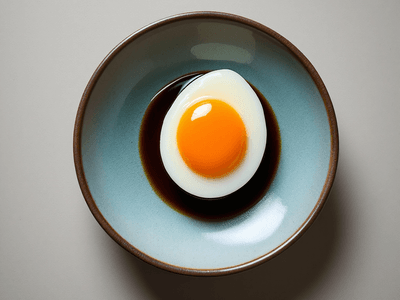
Century Egg with Soy Sauce
Hawker • Singapore
How to Make Century Egg with Soy Sauce (Traditional & Healthy Version)
Century Egg with Soy Sauce is a beloved dish enjoyed across Singapore's kopitiams and hawker centres, especially among the Chinese community. This unique delicacy, featuring the iconic century egg (皮蛋), is typically served as a side or light lunch option, offering a striking balance between savoury umami and gentle aromatics. The century egg’s jelly-like texture and earthy flavour are enhanced with a fragrant soy sauce dressing, aromatic sesame oil, and a sprinkle of spring onions—making it a fusion favourite that reflects Singapore’s multicultural food scene. In Singapore, this dish is often paired with porridge or rice, but its simplicity has made it popular as a vegetarian lunch or snack. The influence of local hawker culture is evident in the way vendors elevate the dish with creative garnishes and sauces for a modern twist. The combination of traditional Chinese ingredients and contemporary local flavours makes Century Egg with Soy Sauce a must-try for anyone seeking authentic yet healthy Singaporean cuisine. Its clean, bold flavours and easy preparation make it perfect for busy lunchtime crowds in bustling kopitiams, where quick, nutritious meals are highly valued.
Ingredients(for 1 century egg with sauce and garnishes per person)
- 2 whole Century egg (皮蛋) (Available at local wet markets or supermarkets)
- 2 tablespoons Light soy sauce (Singaporean brand preferred)
- 1 teaspoon Sesame oil (Adds aroma and richness)
- 2 stalks Spring onion (Finely chopped; local name: daun bawang)
- 1 tablespoon Fresh coriander leaves (Optional, for garnish) - optional
- 1 small Red chilli (Sliced thinly; for a spicy local touch) - optional
- 1 teaspoon Black vinegar (Adds tang and balance)
- 1/2 teaspoon Sugar (Helps mellow flavours)
- 1/4 teaspoon White pepper powder (Optional, for gentle heat) - optional
Instructions
- 1
Carefully peel the century eggs and rinse briefly under running water. Slice each egg into quarters using a sharp, wet knife to prevent sticking.
5 minutes
Wet the knife after each slice for smoother cuts and cleaner presentation.
- 2
Arrange the sliced century eggs neatly on a serving plate. Make sure the yolks are facing up for visual appeal.
2 minutes
Plating beautifully enhances the eating experience and is a hallmark of Singaporean hawker presentation.
- 3
In a small bowl, mix light soy sauce, sesame oil, black vinegar, sugar, and white pepper powder. Stir well until the sugar dissolves.
3 minutes
Adjust the amount of sugar and vinegar based on your taste preference for a personalised touch.
- 4
Drizzle the prepared sauce evenly over the century eggs.
2 minutes
Pour sauce just before serving to maintain the eggs' texture.
Why This Dish is Healthy
This dish is a healthy choice because it is high in protein, low in calories, and features fresh herbs and minimal oil. It is vegetarian and easily adaptable for different dietary needs. Using local ingredients ensures freshness and nutrient retention, while the simple preparation avoids unnecessary fats or additives. The balance of flavours encourages portion control and mindful eating, ideal for calorie-conscious Singaporeans.
Century Egg with Soy Sauce is a vegetarian dish that provides moderate protein from the century eggs and minimal saturated fat due to the use of sesame oil. Soy sauce adds sodium but is used in moderation, while spring onions, coriander, and chillies contribute vitamins A and C, antioxidants, and dietary fibre. The dish is low in carbohydrates, making it suitable for those watching their carb intake. Black vinegar helps digestion and the overall sauce is low in sugar, keeping the calorie count controlled.
Pro Tips
- 💡Tip 1: Use freshly peeled century eggs for the best texture.
- 💡Tip 2: Slice eggs with a wet knife to avoid sticking.
- 💡Tip 3: Add coriander and chilli only just before serving for maximum aroma.
Storage & Serving
Store leftovers in an airtight container in the refrigerator for up to 2 days. Keep garnishes separate to maintain freshness. Consume chilled or at room temperature.
Best served: Breakfast or Lunch
Nutrition Facts
| Nutrient | Per 100g |
|---|---|
| Energy | 90.0 kcal |
| Protein | 9.0 g |
| Carbohydrates | 3.0 g |
| Total Fat | 10.0 g |
| Fiber | 0.0 g |