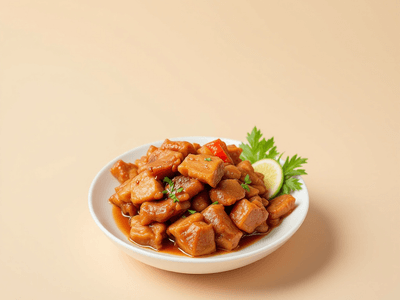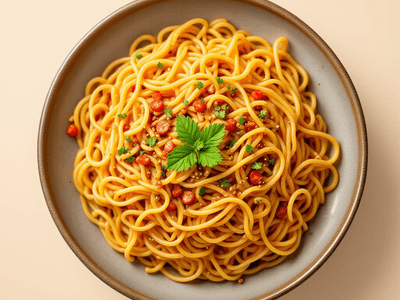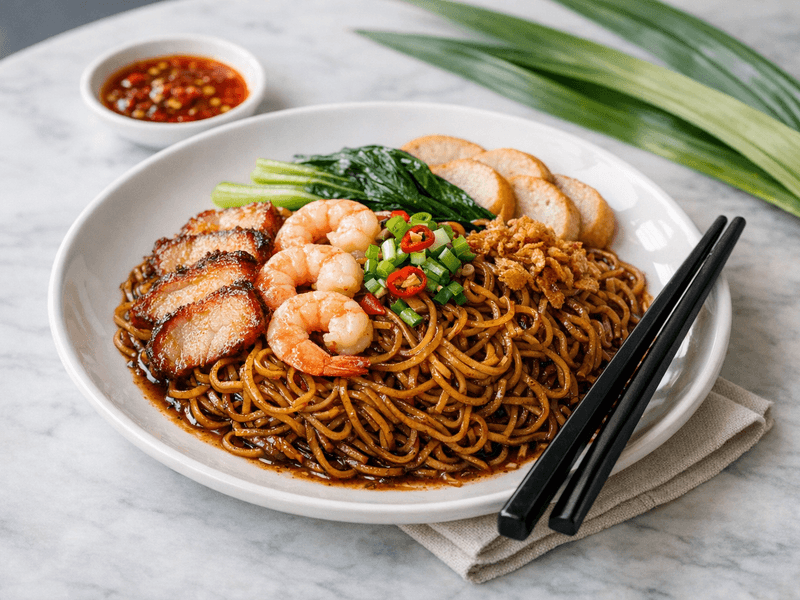
Dry Ee Mian
Lunch • Singapore
How to Make Dry Ee Mian (Traditional & Healthy Version)
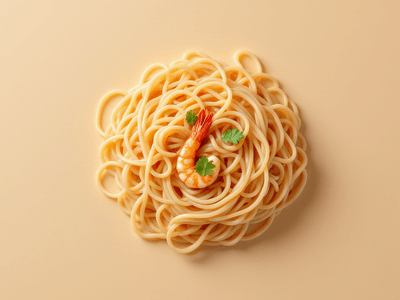
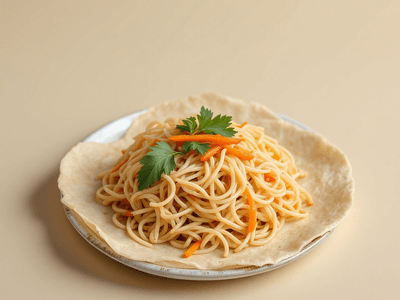
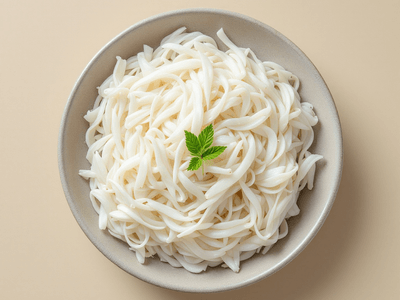
Dry Ee Mian is a beloved staple in Singapore’s vibrant hawker and kopitiam scene, cherished for its springy egg noodles tossed in a savoury, aromatic sauce and accompanied by crisp vegetables and fragrant garnishes. Traditionally enjoyed during lunch hours, this vegetarian-friendly dish embodies the multicultural spirit of local food culture, blending Chinese influences with modern, health-conscious adaptations. The dry (non-soupy) preparation highlights the distinct texture of ee mian, while the topping of fried shallots and fresh greens delivers a burst of umami and freshness in every bite. Singaporean Dry Ee Mian is more than just a noodle dish—it's a culinary reflection of daily life in Singapore, where quick, affordable, and delicious meals are enjoyed at the heart of bustling hawker centres. The dish is also easy to customise, making it a perfect lunch option for those seeking flavour, nutrition, and a taste of Singaporean tradition. Whether you're a vegetarian or simply want a lighter meal, this healthy version offers all the satisfaction without the heaviness, keeping you energised throughout the day.
Ingredients(for 1 bowl (about 250g cooked ee mian with toppings))
- 150g Ee Mian (dried egg noodles) (伊面; available at local supermarkets or wet markets)
- 100g Bok choy (cut into halves)
- 50g Bean sprouts (taugeh; rinsed and trimmed)
- 1 small Carrot (julienned)
- 2 tbsp Light soy sauce (low sodium preferred)
- 1 tsp Dark soy sauce (for colour and depth)
- 1 tsp Sesame oil
- 1 tsp Vegetable oil (for frying shallots)
- 2 tbsp Fried shallots (homemade or store-bought)
- 2 stalks Spring onions (finely sliced)
- 1/4 tsp White pepper (to taste)
- 1 Chilli padi (bird’s eye chilli) (finely chopped, optional) - optional
Instructions
- 1
Bring a large pot of water to a boil. Blanch the dried ee mian for 2-3 minutes until just softened but still springy. Drain immediately and rinse under cold water to stop cooking.
5 minutes
Do not overcook the noodles to retain their signature chew.
- 2
In the same boiling water, blanch bok choy, bean sprouts, and carrots for 30-40 seconds until vibrant and just tender. Remove and set aside.
5 minutes
Blanch vegetables briefly for maximum crunch and colour.
- 3
In a mixing bowl, combine light soy sauce, dark soy sauce, sesame oil, and white pepper. Add drained noodles and toss thoroughly to coat each strand.
3 minutes
Toss while noodles are slightly warm for best flavour absorption.
- 4
Heat vegetable oil in a small pan over medium heat. Add sliced shallots and fry until golden brown. Drain on paper towels for crispy texture.
5 minutes
Monitor closely as shallots can burn quickly.
Why This Dish is Healthy
By focusing on fresh vegetables, modest oil use, and lean sauces, this Dry Ee Mian recipe offers a lighter, more nutritious take on a Singaporean classic. It is cholesterol-free, low in saturated fat, and packed with antioxidants. The use of whole ingredients ensures you get maximum nutrients, while portion control helps with calorie management. Suitable for vegetarians and easily adaptable for vegan diets, it’s a wholesome option for mindful eaters.
This vegetarian Dry Ee Mian is rich in complex carbohydrates from the egg noodles, providing steady energy for active lifestyles. The addition of bok choy, bean sprouts, and carrots boosts fibre, vitamins A, C, and K, and essential minerals like potassium and magnesium. The recipe uses minimal oil and low-sodium soy sauce, making it heart-friendly and suitable for those monitoring sodium intake. Plant-based protein from bean sprouts and nutrient-dense greens make this dish a well-rounded, gut-friendly meal.
Pro Tips
- 💡Tip 1: Use freshly fried shallots for the best aroma and crunch.
- 💡Tip 2: Blanch vegetables just before serving to preserve colour and nutrients.
- 💡Tip 3: For extra flavour, add a dash of mushroom or vegetarian oyster sauce to the noodle sauce.
Storage & Serving
Best enjoyed fresh. If storing, keep noodles and toppings separate in airtight containers in the fridge for up to 2 days. Reheat noodles by steaming or microwaving briefly before assembling.
Best served: Breakfast or Lunch
Nutrition Facts
| Nutrient | Per 100g |
|---|---|
| Energy | 420.0 kcal |