Egg Korean Fried Rice
Hawker • Singapore
How to Make Egg Korean Fried Rice (Traditional & Healthy Version)
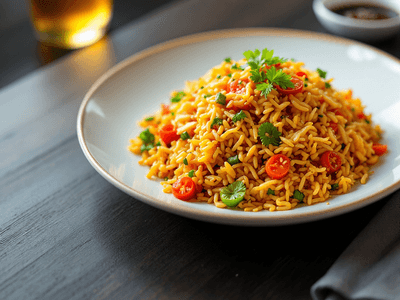
Egg Korean Fried Rice, a vibrant fusion dish, has become increasingly popular within Singapore’s bustling food scene, especially in hawker centres and kopitiams. This recipe combines the comforting essence of fried rice with a Korean-inspired twist, featuring eggs, vegetables, and a touch of spicy gochujang. While fried rice is a staple across the island, the Korean influence reflects Singapore’s ever-evolving culinary landscape and love for international flavors. Egg Korean Fried Rice is beloved for its savory taste, satisfying texture, and adaptability for vegetarian diets. Singapore’s hawker culture thrives on innovation and fusion, and this dish is a perfect example. In kopitiams, you’ll often find creative fried rice options that cater to the diverse tastes of Singaporeans. Egg Korean Fried Rice offers a healthy, hearty lunch choice, especially for those seeking vegetarian meals packed with protein and fiber. The dish is quick to whip up, making it ideal for busy weekdays or a wholesome meal after a morning at the market. Its combination of local rice and Korean flavors is a testament to Singapore’s multicultural culinary identity.
Ingredients(for 1 generous hawker-style plate)
- 2 cups Cooked jasmine rice (Use leftover rice for best texture)
- 2 large Eggs (Fresh local eggs)
- 1/2 cup Carrot (Diced, 'lobak' in Malay)
- 1/3 cup Green peas (Frozen or fresh)
- 1/4 cup Spring onion (Sliced, 'daun bawang')
- 2 cloves Garlic (Minced)
- 1 tablespoon Gochujang (Korean chili paste) (Adds umami and spice)
- 1 tablespoon Low sodium soy sauce (For flavor)
- 1 teaspoon Sesame oil (For aroma)
- 1 tablespoon Vegetable oil (For stir-frying, use canola or sunflower)
- 1/4 teaspoon White pepper (Optional for added spice) - optional
Instructions
- 1
Prepare all vegetables by dicing carrot, slicing spring onion, and mincing garlic. Beat eggs in a bowl with a pinch of salt.
5 minutes
Prep all ingredients before cooking for smooth workflow.
- 2
Heat vegetable oil in a wok or large frying pan over medium-high heat. Add garlic and sauté until fragrant.
2 minutes
Don't burn the garlic; stir continuously for best aroma.
- 3
Add carrots and green peas. Stir-fry for 3-4 minutes until vegetables soften.
4 minutes
If using frozen peas, thaw them for even cooking.
- 4
Push vegetables to one side and pour in beaten eggs. Scramble gently until just set, then mix with vegetables.
3 minutes
For fluffy eggs, avoid overcooking.
Why This Dish is Healthy
This dish is a healthy choice because it is packed with vegetables, providing essential micronutrients, and uses controlled amounts of oil and salt. The eggs add protein, supporting muscle repair and satiety. The use of whole ingredients and moderation in sauces makes this fried rice lower in calories compared to traditional hawker versions. Its balanced macronutrient profile supports overall health and energy, ideal for active Singaporean lifestyles.
Egg Korean Fried Rice is rich in protein from eggs, fiber and vitamins from carrots and peas, and healthy fats from sesame oil. The dish provides complex carbohydrates from jasmine rice, making it a balanced meal. Eggs deliver vitamin B12, choline, and high-quality protein, while carrots and peas add antioxidants, vitamin A, and iron. Using low sodium soy sauce reduces salt content, and minimal oil keeps fat levels controlled. This recipe is vegetarian and can be adapted for various dietary needs.
Pro Tips
- 💡Tip 1: Use day-old rice for the best fried rice texture.
- 💡Tip 2: Adjust gochujang amount based on spice preference.
- 💡Tip 3: Add extra vegetables for more fiber and nutrition.
Storage & Serving
Store leftovers in an airtight container in the refrigerator for up to 2 days. Reheat in a wok or microwave before serving. Avoid freezing as rice texture may change.
Best served: Breakfast or Lunch
Nutrition Facts
| Nutrient | Per 100g |
|---|---|
| Energy | 410.0 kcal |
| Protein | 5.0 g |
| Carbohydrates | 24.0 g |
| Total Fat | 4.0 g |
| Fiber | 1.0 g |