Kolo Mee
Lunch • Singapore
How to Make Kolo Mee (Traditional & Healthy Version)
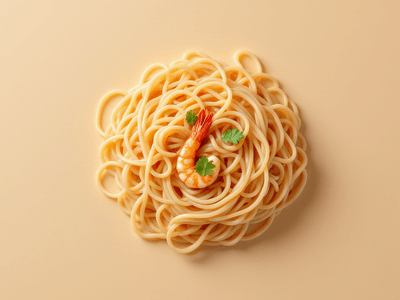
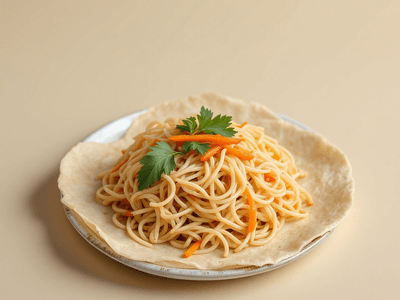
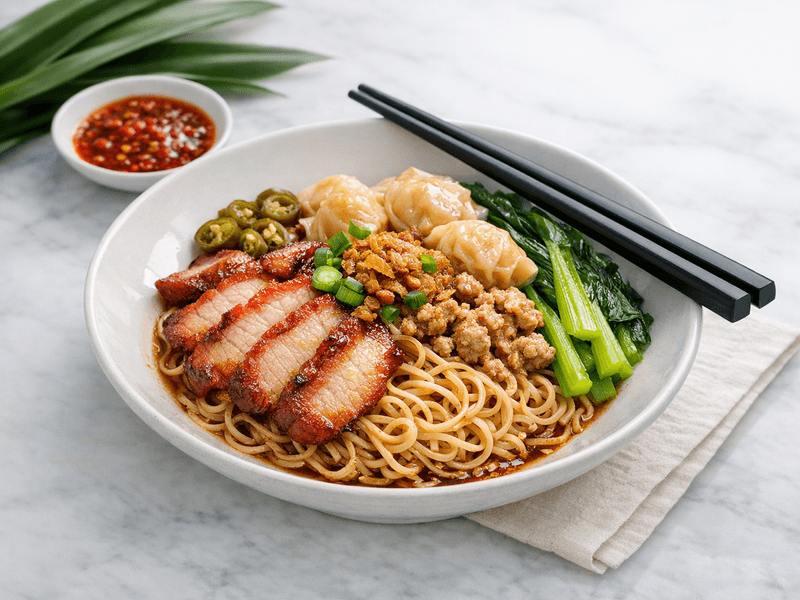
Kolo Mee is a beloved noodle dish that has become a staple in Singapore’s vibrant hawker scene, especially popular at bustling kopitiams across the island. Originally hailing from Sarawak, Malaysia, its Singaporean incarnation reflects our multicultural food heritage and penchant for localizing flavors. With springy egg noodles tossed in a light, aromatic sauce, Kolo Mee is renowned for its satisfying texture and clean taste. The vegetarian version is particularly cherished among health-conscious diners, offering a delightful medley of fresh Asian greens, earthy mushrooms, and a subtle umami from soy and shallot oils. This dish captures the essence of Singaporean hawker culture—simple ingredients elevated by clever techniques. Traditionally served dry, Kolo Mee is perfect for lunch or a hearty breakfast, providing sustained energy without heaviness. Its adaptable base allows for a variety of toppings, making it a firm favourite among locals seeking fusion influences and plant-based options. Whether you’re reminiscing about your favorite kopitiam or discovering Kolo Mee for the first time, this healthy, vegetarian recipe delivers authentic flavors with a modern, nutritious twist.
Ingredients(for 1 regular kopitiam bowl per serving)
- 200g Egg-free wheat noodles (mee pok or mee kia (黄面))
- 100g Fresh shiitake mushrooms (sliced)
- 100g Choy sum (cut into 5cm lengths)
- 1 small Carrot (julienned)
- 2 bulbs Shallots (thinly sliced)
- 2 tbsp Low-sodium light soy sauce (for tossing noodles)
- 1 tbsp Vegetarian oyster sauce (mushroom-based)
- 1/4 tsp White pepper
- 1 tsp Sesame oil
- 1 tbsp Fried shallot oil (homemade or store-bought) - optional
- 2 stalks Spring onions (chopped, for garnish)
- 1 Chilli padi (sliced, optional for heat) - optional
Instructions
- 1
Bring a large pot of water to boil. Blanch the choy sum for 1 minute until bright green, then remove and set aside. In the same water, blanch the julienned carrots for 30 seconds.
3 minutes
Blanch vegetables briefly to retain crunch and nutrients.
- 2
Cook the noodles according to package instructions (usually 2-3 minutes). Drain and rinse under cold water to stop cooking, then toss with a little sesame oil to prevent sticking.
5 minutes
Rinsing noodles ensures springy texture, essential for authentic Kolo Mee.
- 3
Heat 1 tsp sesame oil in a pan over medium heat. Add sliced shallots and sauté until golden brown and fragrant. Remove shallots and reserve the aromatic oil.
4 minutes
Use low heat to avoid burning the shallots.
- 4
In the same pan, add mushrooms and stir-fry until soft and slightly caramelized. Season with a pinch of white pepper and a splash of soy sauce.
3 minutes
Let mushrooms brown for extra umami flavor.
Why This Dish is Healthy
Choosing a vegetarian Kolo Mee is a smart way to enjoy hawker food without excess calories or unhealthy fats. The dish is steamed and stir-fried rather than deep-fried, and it’s packed with fresh greens and mushrooms for added nutrition. By controlling the amount of oil and sodium, this recipe supports weight management, heart health, and overall well-being—an ideal choice for those seeking wholesome, Singaporean comfort food.
This vegetarian Kolo Mee provides a balanced mix of complex carbohydrates from wheat noodles, dietary fiber from choy sum and carrots, and plant-based protein from mushrooms. Vegetables add vitamins A, C, and K, as well as essential minerals like potassium and iron. Using minimal oil and reduced-sodium soy sauce makes the dish heart-friendly and suitable for those monitoring sodium intake. The absence of animal products also reduces saturated fat, making it a lighter meal option.
Pro Tips
- 💡Tip 1: Use freshly made noodles from your local wet market for the best texture.
- 💡Tip 2: Prepare fried shallot oil in advance for quick assembly and extra fragrance.
- 💡Tip 3: For a gluten-free option, substitute with rice noodles and tamari.
Storage & Serving
Store noodles and toppings separately in airtight containers in the fridge for up to 2 days. Reheat noodles by blanching briefly in hot water before assembling.
Best served: Breakfast or Lunch
Nutrition Facts
| Nutrient | Per 100g |
|---|---|
| Energy | 400.0 kcal |