Low Fat Greek Yogurt
Lunch • Singapore
How to Make Low Fat Greek Yogurt (Traditional & Healthy Version)
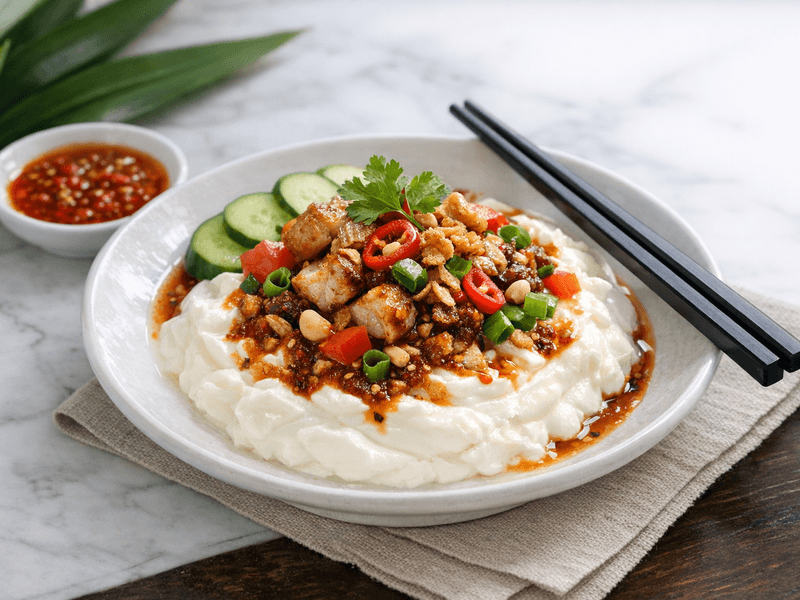
Low Fat Greek Yogurt is fast becoming a favourite on the Singaporean lunch table and in bustling kopitiams, thanks to our nation’s love for healthy yet satisfying meals. While Greek yogurt isn’t traditionally Singaporean, its creamy texture and tangy taste have found their way into local diets, often served as a light lunch or snack topped with tropical fruits and seeds. This dish reflects Singapore’s dynamic food scene, where global flavours are embraced and localised with a creative touch. In Singapore’s hawker centres and cafes, you’ll find Low Fat Greek Yogurt paired with gula melaka drizzle, fresh papaya, or even a dash of pandan essence, making it a perfect fusion treat. Its cool, refreshing taste is ideal for our hot and humid climate, and it’s enjoyed by health-conscious Singaporeans of all ages. This easy homemade recipe is a nutritious choice, high in protein and lower in fat, making it suitable for a light lunch or as part of a balanced vegetarian diet. Embrace Singapore’s unique blend of tradition and modern wellness with this wholesome Low Fat Greek Yogurt recipe.
Ingredients(for 200g per serving (kopitiam-style bowl))
- 1 litre Low fat milk (use fresh local milk if available)
- 2 tablespoons Plain live yogurt (as starter) (ensure no added sugar)
- 1 tablespoon Honey (optional, use local wildflower honey) - optional
- 1 tablespoon Chia seeds (for extra fibre) - optional
- 1/2 cup, diced Fresh papaya (or any seasonal local fruit) - optional
- 1/4 teaspoon Pandan essence (optional, for a local twist) - optional
- 1 tablespoon Roasted pumpkin seeds (kuaci) - optional
- 1 teaspoon Gula melaka syrup (for garnish, optional) - optional
- 1/8 teaspoon Pinch of salt (enhances flavour) - optional
Instructions
- 1
Pour the low fat milk into a saucepan and heat gently over medium-low heat until it reaches about 80°C (just before boiling). Stir occasionally to prevent scalding.
10 minutes
Use a kitchen thermometer for accuracy; don’t let it boil.
- 2
Remove the saucepan from heat and let the milk cool to about 45°C, warm to the touch but not hot.
10 minutes
Speed up cooling by placing the pot in a basin of cold water.
- 3
Take a small amount of the cooled milk and mix it with the plain live yogurt starter until smooth, then whisk this mixture back into the rest of the milk.
2 minutes
This ensures even distribution of live cultures.
- 4
Pour the mixture into a clean glass or ceramic container, cover, and keep it in a warm place for 8-10 hours or overnight to ferment. A switched-off oven or rice cooker (with lid closed) works well in Singapore’s humid climate.
0 minutes (overnight ferment)
Don’t disturb the yogurt while it’s fermenting for best texture.
Why This Dish is Healthy
This Low Fat Greek Yogurt recipe is a healthy choice because it is low in saturated fat, high in protein, and packed with essential nutrients and probiotics. It supports digestive health, weight management, and sustained energy, making it ideal for a light lunch. Local fruit toppings add natural sweetness and antioxidants, while seeds boost heart-healthy fats and fibre, fitting perfectly into a balanced Singaporean diet.
Low Fat Greek Yogurt is a rich source of high-quality protein, essential for muscle repair and satiety. Each serving provides calcium for strong bones, probiotics for gut health, and is naturally low in fat. Adding chia seeds and pumpkin seeds increases fibre, omega-3s, and magnesium, while fresh fruit supplies vitamins A and C. The absence of added sugar in the base recipe makes it a smart choice for calorie and blood sugar management.
Pro Tips
- 💡Tip 1: Use the freshest milk possible for the creamiest texture.
- 💡Tip 2: Save a few tablespoons of your homemade yogurt as starter for your next batch.
- 💡Tip 3: Experiment with local fruit like dragonfruit, jackfruit, or durian for unique Singaporean twists.
Storage & Serving
Store homemade Greek yogurt in an airtight container in the refrigerator for up to 5 days. Keep toppings separate until ready to serve for best freshness.
Best served: Breakfast or Lunch
Nutrition Facts
| Nutrient | Per 100g |
|---|---|
| Energy | 60.0 kcal |