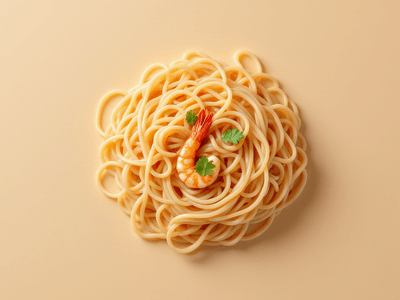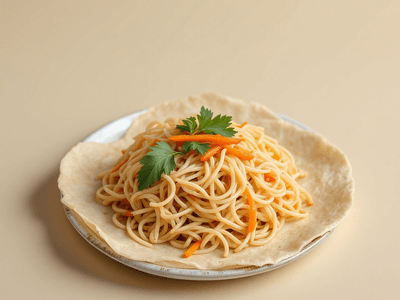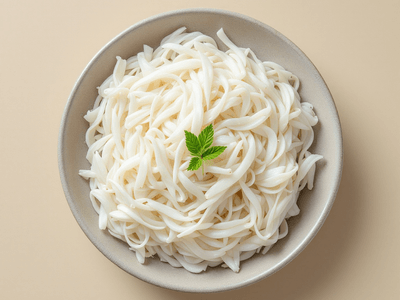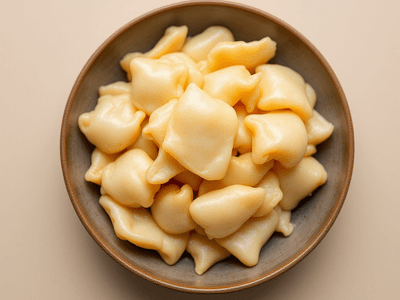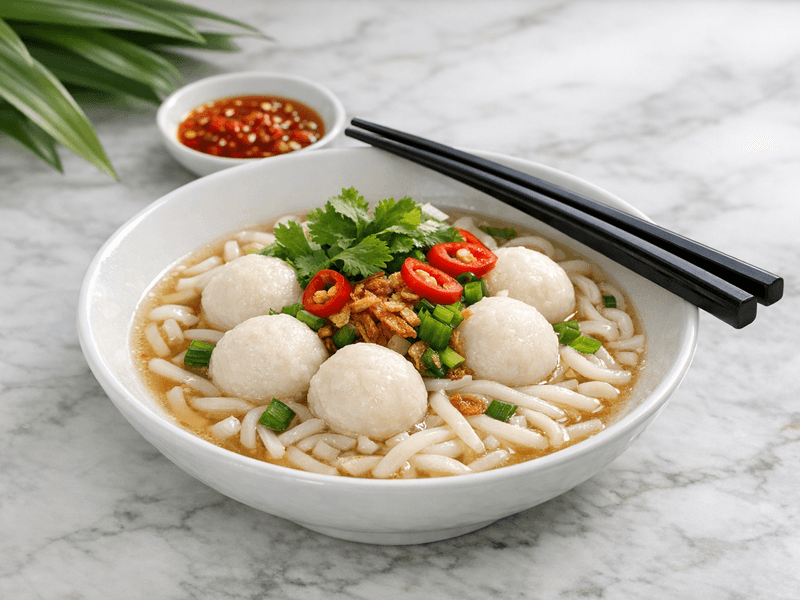
Mee Tai Mak with Fish Balls
Lunch • Singapore
How to Make Mee Tai Mak with Fish Balls (Traditional & Healthy Version)
Mee Tai Mak with Fish Balls is a beloved dish in Singapore's vibrant hawker scene, cherished for its comforting simplicity and satisfying flavors. Mee Tai Mak, also known locally as 'rat tail noodles' due to their unique short, stubby shape, are made from rice flour and offer a soft, chewy texture that pairs perfectly with bouncy fish balls. This dish is a staple in many kopitiams and food courts, bridging generations with its nostalgic taste that many Singaporeans grew up enjoying. The origins of Mee Tai Mak with Fish Balls highlight Singapore’s rich food tapestry, blending influences from Chinese Teochew communities and local culinary innovations. Eaten primarily as a light lunch or hearty breakfast, this dish is not only affordable but also versatile—often tailored with vibrant vegetables and homemade broths. Its mild flavor makes it a favorite among young and old alike, while its ease of preparation has cemented its place in both home kitchens and bustling hawker stalls. Mee Tai Mak with Fish Balls embodies the fusion and community spirit of Singaporean cuisine, offering a wholesome meal that's both nutritious and deeply rooted in local culture. Opting for a health-conscious version means lighter broth, more fresh greens, and less oil, making it perfect for calorie-conscious eaters without sacrificing authenticity. This Singaporean classic is proof that comfort food can be both delicious and balanced, making it an excellent choice for anyone seeking a taste of true Singaporean hawker fare at home.
Ingredients(for 1 medium bowl per serving (approx. 350g))
- 200g Mee Tai Mak (rat tail noodles) (fresh or vacuum-packed)
- 12 pieces Vegetarian fish balls (store-bought, look for soy-based)
- 700ml Low-sodium vegetable stock
- 1 cup Baby spinach (roughly chopped)
- 1 cup Bean sprouts (taugeh)
- 2 cloves Garlic (minced)
- 2 stalks Spring onion (sliced)
- 1 tbsp Light soy sauce (low-sodium preferred)
- 1/4 tsp White pepper
- 1 tsp Sesame oil (optional garnish) - optional
Instructions
- 1
Rinse Mee Tai Mak under cold water to remove excess starch. Drain and set aside.
3 minutes
Rinsing prevents noodles from clumping and keeps the broth clear.
- 2
In a pot, heat 1 teaspoon of oil over medium heat. Add minced garlic and sauté until fragrant.
2 minutes
Do not let garlic brown to avoid bitterness.
- 3
Pour in vegetable stock. Bring to a gentle boil, then lower heat to simmer.
5 minutes
Use homemade stock for extra depth and less sodium.
- 4
Add vegetarian fish balls and simmer until they float (about 3-4 minutes).
4 minutes
Floating indicates the fish balls are cooked through.
Why This Dish is Healthy
Choosing a clear, vegetable-based broth and lean protein from vegetarian fish balls makes this dish a great option for calorie-conscious eaters. The absence of deep frying and the use of fresh vegetables boost the nutritional value while keeping the meal light and satisfying. Mee Tai Mak with Fish Balls is perfect for those seeking a balanced, low-fat, and nutrient-dense meal that doesn’t compromise on authentic Singaporean flavor.
This Mee Tai Mak with Fish Balls recipe is rich in plant-based protein (from vegetarian fish balls), fiber (from spinach and bean sprouts), and complex carbohydrates (from rice noodles). The use of low-sodium vegetable stock keeps sodium levels in check, while the inclusion of leafy greens and bean sprouts adds vitamins A, C, and folate. This dish is low in saturated fat and cholesterol-free, making it suitable for heart health and overall well-being. It's also a good source of minerals like iron and potassium.
Pro Tips
- 💡Tip 1: Always rinse Mee Tai Mak to remove excess starch for a clearer, tastier soup.
- 💡Tip 2: Use fresh vegetarian fish balls for the best bouncy texture and flavor.
- 💡Tip 3: Add vegetables like chye sim or napa cabbage for extra nutrients and local flair.
Storage & Serving
Store leftovers in an airtight container in the refrigerator for up to 2 days. For best texture, keep noodles and broth separate; reheat gently before serving.
Best served: Breakfast or Lunch
Nutrition Facts
| Nutrient | Per 100g |
|---|---|
| Energy | 350.0 kcal |