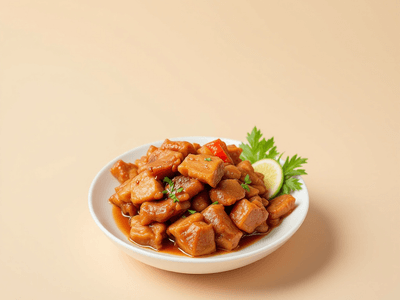
📸 Image coming soon for Chinese Roast Duck
Chinese Roast Duck
Lunch • Singapore
How to Make Vegetarian Chinese Roast Duck (Traditional & Healthy Version)
Vegetarian Chinese Roast Duck is a beloved Singaporean dish that pays homage to the rich culinary heritage found in our vibrant hawker centres and kopitiams. Traditionally, roast duck is a savoury staple in Chinese cuisine, known for its succulent meat and crisp skin. In Singapore, local chefs and food stalls have creatively adapted the dish for vegetarians, using wholesome alternatives like beancurd skin (tau kee) to recreate the iconic texture and flavour. This vegetarian version captures the aromatic spices and delicious glaze associated with the original, while being lighter and suitable for a plant-based diet. The dish is perfect for those seeking authentic Singaporean flavours without compromising their dietary preferences. The marinade features local ingredients such as five-spice powder and hoisin sauce, infusing each bite with fragrant, umami-rich notes. Served with a side of fluffy rice or paired with steamed greens, Vegetarian Chinese Roast Duck offers a satisfying lunch option that's both nourishing and full of heritage. It's a wonderful representation of Singapore’s fusion food culture, where tradition meets innovation in every plate.
Ingredients(for 1 plate with rice and vegetables)
- 4 large sheets Beancurd skin (tau kee) (fresh or dried, soaked if dried)
- 2 tablespoons Hoisin sauce (for marinade)
- 1 tablespoon Light soy sauce (reduced sodium preferred)
- 1 teaspoon Chinese five-spice powder (wu xiang fen)
- 1 teaspoon Sesame oil (pure sesame oil)
- 1 teaspoon Maple syrup or honey (for glaze) - optional
- 1 thumb-sized piece Fresh ginger (grated)
- 2 cloves Garlic (minced)
- 2 stalks Spring onions (finely sliced)
- 1/4 teaspoon White pepper
Instructions
- 1
Prepare the beancurd skin by soaking in warm water if using dried sheets. Pat dry thoroughly with paper towels and set aside.
5 minutes
Ensure beancurd skin is soft but not falling apart for best texture.
- 2
In a bowl, mix hoisin sauce, light soy sauce, five-spice powder, sesame oil, maple syrup (if using), grated ginger, minced garlic, and white pepper to form the marinade.
3 minutes
Mix until sauce is well combined for even flavour distribution.
- 3
Brush each beancurd skin sheet generously with the marinade. Layer two sheets together to create a thicker 'duck' texture, then roll tightly.
4 minutes
Layering gives a meaty bite similar to authentic roast duck.
- 4
Heat a non-stick pan over medium heat. Place the rolled beancurd skin seam side down. Pan-sear for 2-3 minutes on each side until golden brown and slightly crisp.
7 minutes
Do not overcrowd the pan; cook in batches if needed.
Why This Dish is Healthy
Choosing this vegetarian version over traditional duck significantly reduces saturated fat and calories, without sacrificing taste. It’s crafted for health-conscious Singaporeans who want to enjoy their favourite hawker flavours in a lighter format. With a balance of protein, low glycemic carbs, and essential nutrients, it supports weight management and provides sustained energy for your day.
This vegetarian Chinese Roast Duck is rich in plant-based protein from beancurd skin and offers dietary fibre when paired with vegetables. The use of reduced sodium soy sauce and minimal oil keeps sodium and fat levels in check. Fresh ginger and garlic provide antioxidants and anti-inflammatory benefits, supporting overall wellness. The dish is cholesterol-free, making it heart-healthy, and contains B vitamins, iron, and calcium, especially when consumed with leafy greens.
Pro Tips
- 💡Tip 1: Use fresh beancurd skin for the best texture and flavour.
- 💡Tip 2: Marinate overnight for deeper, more complex taste.
- 💡Tip 3: Finish with a quick broil for a crispy surface that mimics traditional roast duck skin.
Storage & Serving
Store leftovers in an airtight container in the fridge for up to 2 days. Reheat in a non-stick pan or oven to retain crispness. Avoid microwaving to keep texture.
Best served: Lunch
Nutrition Facts
| Nutrient | Per 100g |
|---|---|
| Energy | 400.0 kcal |