Vegetarian Korean Fried Rice
Hawker • Singapore
How to Make Vegetarian Korean Fried Rice (Traditional & Healthy Version)
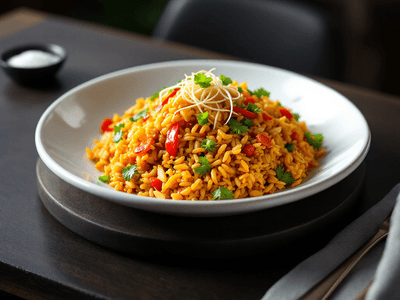
Vegetarian Korean Fried Rice is a beloved fusion dish in Singapore’s vibrant hawker scene. Drawing inspiration from Korean kimchi fried rice, this vegetarian adaptation has become a staple at many kopitiams and food courts, reflecting Singapore’s love for multicultural flavors. The dish features fragrant jasmine or short-grain rice stir-fried with fresh vegetables, a touch of gochujang (Korean chili paste), and local ingredients such as spring onions and tofu. It’s a hearty, satisfying meal that brings together the umami of fermented sauces with the crunch of market-fresh veggies—a true testament to Singapore’s creative culinary spirit. In Singapore, Vegetarian Korean Fried Rice is often enjoyed as a quick lunch or even a convenient dinner, offering a well-balanced option for those seeking meat-free meals without sacrificing taste. The dish’s popularity is rooted in its adaptability; it’s easy to find a version that suits different dietary needs at your favorite hawker stall. The flavors are bold yet comforting, making it perfect for those who crave a spicy kick with wholesome nutrition. Whether you’re looking for a healthier lunchbox option or a family-friendly meal, this recipe brings the essence of Singapore’s kopitiam culture right to your kitchen.
Ingredients(for 1 regular kopitiam plate)
- 2 cups Cooked rice (preferably overnight jasmine or short-grain rice)
- 100g Firm tofu (cubed, tau kwa)
- 1/2 cup Carrot (shredded)
- 1/4 cup Frozen peas
- 1/3 cup Kimchi (vegetarian (no fish sauce), chopped)
- 1 tbsp Gochujang (Korean chili paste)
- 1 tbsp Soy sauce (use low-sodium if preferred)
- 1 tsp Sesame oil
- 2 stalks Spring onion (chopped)
- 2 cloves Garlic (minced)
- 1 Egg (optional, omit for vegan) - optional
Instructions
- 1
Prepare all ingredients: chop vegetables, tofu, and kimchi. If using overnight rice, break up any clumps for even frying.
5 minutes
Cold, day-old rice prevents the fried rice from turning mushy.
- 2
In a non-stick wok, heat 1 tsp of sesame oil over medium heat. Add the cubed tofu and pan-fry until golden on all sides. Remove and set aside.
5 minutes
Pat tofu dry before frying to get a crispier texture.
- 3
Add minced garlic to the wok. Stir-fry until fragrant, then toss in carrots and peas. Sauté for 2-3 minutes until slightly softened.
3 minutes
Do not overcook veggies; keep them crisp for better texture.
- 4
Push vegetables to the side. If using, crack an egg into the pan and scramble until just set. (Skip for vegan version.)
2 minutes
For more protein, add extra tofu instead of egg.
Why This Dish is Healthy
Choosing Vegetarian Korean Fried Rice is a smart option for those seeking a balanced diet. It’s lower in saturated fat compared to meat-based fried rice, and the abundance of vegetables offers antioxidants and dietary fiber. The protein from tofu supports muscle maintenance, while the use of fermented kimchi aids digestion. It’s a wholesome, nutrient-dense dish that fits well into a healthy, calorie-conscious lifestyle.
This Vegetarian Korean Fried Rice is packed with plant-based protein from tofu and egg, complex carbohydrates from rice, and a variety of micronutrients from colorful vegetables like carrots and peas. Kimchi brings probiotics for gut health, while the use of low-sodium soy sauce and minimal sesame oil keeps the dish heart-friendly. It’s rich in fiber, B vitamins, vitamin A, and minerals such as iron and calcium, making it a well-rounded meal for energy and overall wellness.
Pro Tips
- 💡Tip 1: Always use day-old rice for the best texture.
- 💡Tip 2: Add vegetables with different colors for a more visually appealing and nutritious meal.
- 💡Tip 3: Fry on high heat to achieve the signature 'wok hei' flavor.
Storage & Serving
Store leftovers in an airtight container in the fridge for up to 2 days. Reheat in a wok or microwave before serving. Do not refreeze.
Best served: Breakfast or Lunch
Nutrition Facts
| Nutrient | Per 100g |
|---|---|
| Energy | 370.0 kcal |