Satay
Hawker • Singapore
About Satay
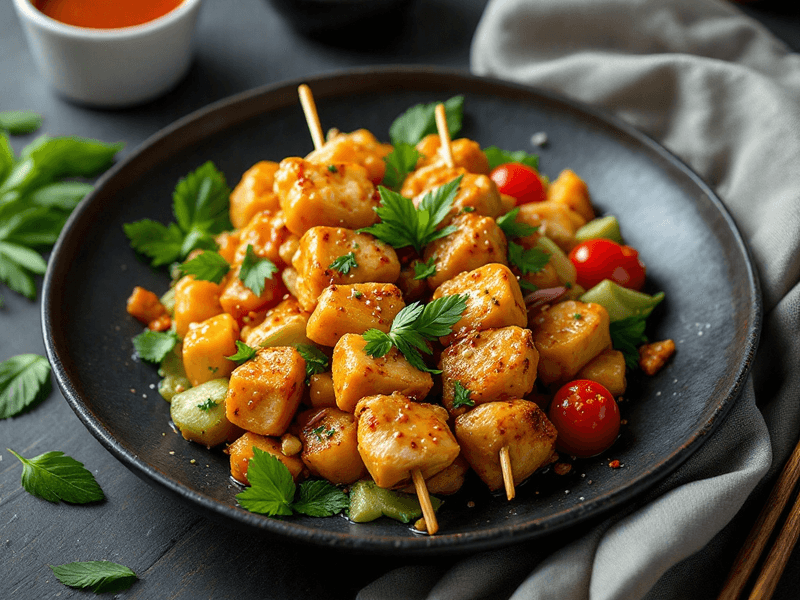
Satay is a beloved snack found at almost every hawker centre and night market in Singapore. It consists of marinated skewered meat—often chicken, beef, or mutton—grilled over hot charcoal until smoky, then served piping hot. The key to a good satay lies in its deeply seasoned marinade, which highlights lemongrass, turmeric, and coriander, balancing savoury, sweet, and aromatic notes. Classic accompaniments include a nutty, slightly spicy peanut sauce, chopped raw onions, cucumber slices, and ketupat (compressed rice cakes), perfect for mopping up extra sauce. While the majority of local stalls are halal-friendly, the meats used ensure this dish remains off-limits for vegetarians. Nutrition-wise, satay is high in protein at 26.7g per 100g, reflecting the meat-forward nature of the dish. The total fat content stands at 16.7g per 100g, mainly from the marbled meats and some oil in the marinade, while carbohydrates are moderate at 10g—typically from the peanut sauce and any added ketupat. A typical serving is rarely restricted to just 100g; a standard plate at the hawker often comes with 8–10 sticks, easily weighing two to three times that amount, especially with sauce and rice cakes included. This means calories add up fast—satay makes for a tasty, protein-rich treat, but it’s worth being mindful of portion size, especially if you’re loading up on peanut sauce or pairing it with generous ketupat.
How to Make Satay (Traditional & Healthy Version)
Satay is a beloved Singaporean snack that encapsulates the vibrant flavors of the city-state’s multicultural culinary landscape. Found at bustling hawker centres and traditional kopitiams alike, these skewered, grilled meats are marinated in a blend of local spices and served with a rich, aromatic peanut sauce. Satay is more than just food; it’s a social experience, often enjoyed with friends and family during late-night suppers or festive gatherings. Rooted in Malay heritage and influenced by Singapore’s diverse communities, Satay has evolved into a true symbol of Singaporean fusion cuisine. The smoky aroma of char-grilled skewers fills the air at hawker stalls, drawing in locals and tourists to share in the joy of communal dining. Whether you’re savoring chicken, beef, or mutton versions, Satay offers a delightful balance of sweet, savory, and spicy notes, perfectly complemented by sides like cucumber, onions, and ketupat (rice cakes). Opting for a healthier, home-cooked version allows you to enjoy all the authentic taste with less guilt, making it an excellent choice for calorie-conscious foodies.
Ingredients(for 6 skewers with vegetables and a small portion of peanut sauce)
- 250g Chicken breast (skinless, boneless, cut into cubes)
- 1 stalk Lemongrass (white part only, finely chopped)
- 2 Shallots (finely chopped)
- 2 cloves Garlic (minced)
- 1 tsp Turmeric powder
- 1/2 tsp Coriander powder
- 1 tbsp Low-sodium soy sauce
- 1 tsp Honey (as a healthier sweetener)
- 1 tsp Canola oil
- 1/2 Cucumber (cut into chunks)
- 1 small Red onion (quartered)
- 2 tbsp Peanut butter (unsweetened, for sauce)
- 2 tbsp Light coconut milk (for sauce)
- 1/4 tsp Chili powder (optional, for sauce) - optional
Instructions
- 1
Prepare the marinade by blending lemongrass, shallots, garlic, turmeric, coriander, soy sauce, honey, and canola oil into a smooth paste.
5 minutes
Use a food processor for a finer consistency and better flavor infusion.
- 2
Marinate the chicken cubes in the spice paste for at least 30 minutes or overnight in the fridge for maximum flavor.
5 minutes
For best results, cover and refrigerate the marinated chicken.
- 3
Thread the marinated chicken pieces onto soaked wooden skewers.
5 minutes
Soak skewers in water for 20 minutes beforehand to prevent burning.
- 4
Grill the skewers over a hot grill or grill pan on medium-high heat for 8-10 minutes, turning occasionally until cooked and slightly charred.
10 minutes
Baste lightly with leftover marinade for extra juiciness.
Why This Dish is Healthy
Grilled instead of fried, this version of Singaporean Satay reduces oil and calories without sacrificing authentic flavor. Lean chicken breast provides high protein with low fat, supporting muscle maintenance and weight management. The homemade, lighter peanut sauce avoids added sugars and preservatives, making this dish ideal for those tracking macronutrients or seeking a balanced, wholesome meal.
This healthy Satay recipe features lean chicken breast, a great source of protein with minimal saturated fat. The use of fresh herbs and spices provides antioxidants and phytonutrients, while the homemade peanut sauce delivers healthy fats and magnesium. By using honey instead of sugar and opting for low-sodium soy sauce and light coconut milk, the dish remains heart-friendly and suitable for calorie-conscious eaters. Served with fresh vegetables, it offers dietary fiber, vitamins, and minerals without excess calories.
Pro Tips
- 💡Tip 1: Marinate the meat overnight for deeper flavors.
- 💡Tip 2: Use a grill pan for easy indoor preparation.
- 💡Tip 3: Add a dash of lime juice to the peanut sauce for extra zest.
Storage & Serving
Store leftover grilled satay in an airtight container in the fridge for up to 2 days. Peanut sauce can be refrigerated separately for 3 days. Reheat gently before serving.
Best served: Lunch
Nutrition Facts
| Nutrient | Per 100g |
|---|---|
| Energy | 283.3 kcal |
| Protein | 26.7 g |
| Carbohydrates | 10.0 g |
| Total Fat | 16.7 g |
| Fiber | 0.0 g |
Cultural Notes
Satay is a classic hawker snack, often enjoyed at the open-air satay stalls in places like Lau Pa Sat, where the smoky scent draws crowds late into the night. It's a favourite for communal eating and sharing among friends and family.