Sambal Sotong
Lunch • Singapore
How to Make Sambal Sotong (Traditional & Healthy Version)
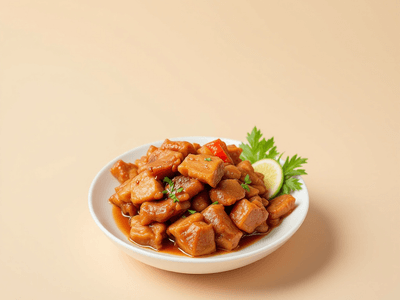
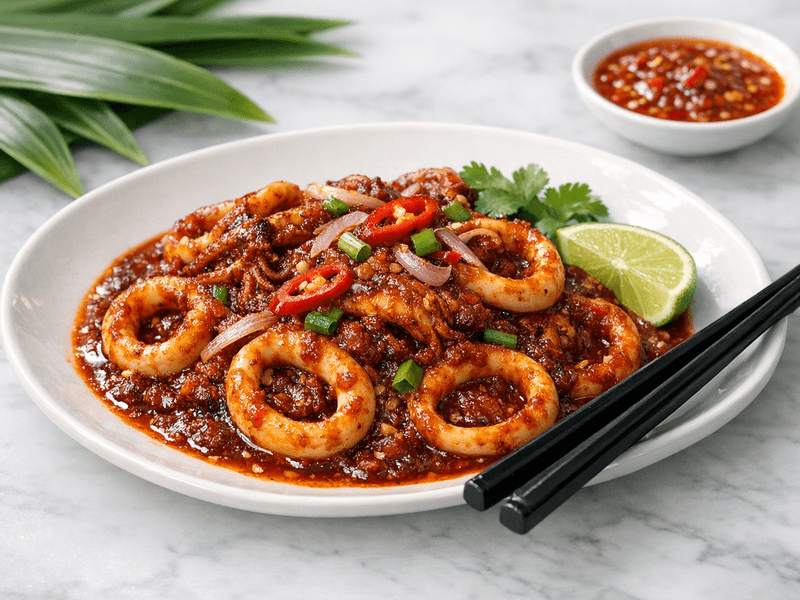
Sambal Sotong is a beloved dish in Singapore's vibrant hawker culture, often found sizzling on hotplates at kopitiams and neighborhood food centres. This spicy squid stir-fry is a showcase of Singaporean fusion cuisine, bringing together Malay, Chinese, and local influences into one irresistible plate. The heart of Sambal Sotong lies in its aromatic sambal paste, made from fresh chilies, shallots, and spices, enveloping tender rings of sotong (squid) in a fiery, tangy sauce. This healthy, plant-based version uses king oyster mushrooms to mimic the chewy texture of sotong, making it ideal for vegetarians and those seeking a wholesome lunch option. Each mouthful offers a punchy balance of sweetness, heat, and umami, embodying the multicultural spirit of Singapore. Whether enjoyed with brown rice or on its own, this dish is a testament to how traditional flavors can be reimagined for modern, health-conscious lifestyles. Experience the joy of Singaporean street food right at home, with all the taste and none of the guilt!
Ingredients(for 1 kopitiam plate (approx. 200g per serving))
- 250g King oyster mushrooms (sliced into rings, vegetarian sotong)
- 3 Fresh red chilies (seeded and chopped)
- 4 Shallots (peeled)
- 2 Garlic cloves (peeled)
- 1 stalk Lemongrass (white part only, sliced)
- 1 tbsp Tomato paste
- 2 tbsp Tamarind juice (from 1 tsp tamarind paste mixed with 2 tbsp water)
- 1 tbsp Low-sodium light soy sauce
- 1 tsp Palm sugar or brown sugar
- 1 tbsp Canola oil (or other neutral oil)
- 2 Kaffir lime leaves (torn) - optional
- to taste Salt
Instructions
- 1
Prepare the sambal paste by blending red chilies, shallots, garlic, and lemongrass until smooth.
5 minutes
Add a little water if necessary for blending.
- 2
Heat canola oil in a wok over medium heat. Stir-fry the sambal paste until fragrant and oil separates, about 6 minutes.
6 minutes
Stir continuously to avoid burning the paste.
- 3
Add tomato paste and continue to stir-fry for another minute to intensify the flavor.
1 minute
Tomato paste adds depth and a natural sweetness.
- 4
Stir in tamarind juice, soy sauce, and palm sugar. Mix well and let the sauce simmer for 2 minutes.
2 minutes
Tamarind juice provides a tangy kick reminiscent of classic sambal sotong.
Why This Dish is Healthy
Opting for mushrooms instead of seafood makes this dish cholesterol-free and suitable for heart-healthy diets. The recipe is rich in plant-based nutrients, low in calories, and uses less oil and sugar compared to traditional versions. Whole, natural ingredients maximize nutritional value, making this a smart choice for those watching their weight or pursuing a vegetarian Singaporean diet.
This vegetarian Sambal Sotong offers a nutritious twist by substituting squid with king oyster mushrooms, which are low in calories and fat yet high in dietary fiber, B vitamins, and antioxidants. The sambal is made with minimal oil and relies on fresh aromatics for flavor, reducing sodium and saturated fat. The use of tamarind and chilies not only boosts metabolism but also provides vitamin C and anti-inflammatory benefits.
Pro Tips
- 💡Tip 1: Sear the mushrooms quickly on high heat for a chewier, 'sotong' texture.
- 💡Tip 2: Use fresh, local chilies for the brightest sambal flavor.
- 💡Tip 3: Add a squeeze of calamansi lime before serving for extra zing.
Storage & Serving
Store leftovers in an airtight container in the refrigerator for up to 3 days. Reheat gently on the stove or in a microwave. Avoid freezing to maintain texture.
Best served: Breakfast or Lunch
Nutrition Facts
| Nutrient | Per 100g |
|---|---|
| Energy | 280.0 kcal |